
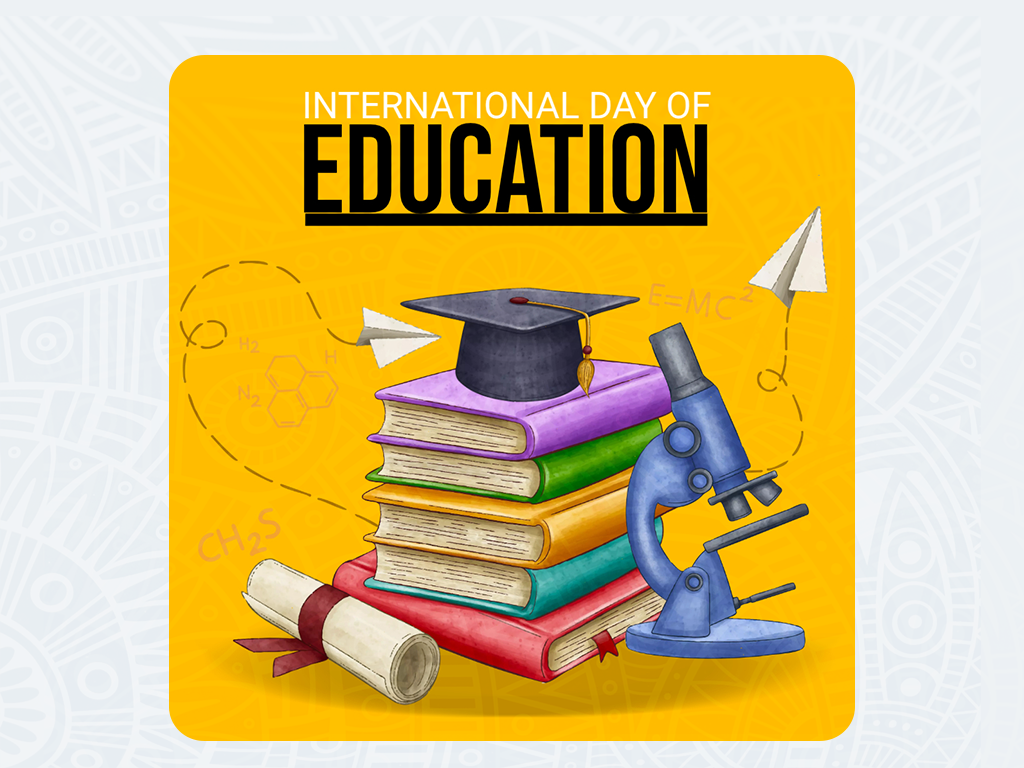
Knowledge is often described as power, yet its true strength lies in how it is preserved, shared, and adapted across time and place. Education shapes how we understand the world, how we relate to one another, and how we imagine our place within it. Across Africa, learning has never been only about classrooms or curricula. It has always been about continuity, identity, and the quiet determination to keep knowledge alive, even in uncertain moments. As conversations around education evolve, a different narrative is taking shape—one shaped by digital innovation, relevance and African-led solutions.
Across the continent, classrooms are changing form. Online and blended platforms are supporting learners who live far from schools, while mobile-based learning is helping young people continue their studies during disruption. In East Africa, digital tools are increasingly used alongside traditional teaching, extending learning beyond classroom walls. Platforms such as Eneza Education and M-Shule support learners through mobile-based lessons, assessments, and feedback, particularly in communities where access to teachers and learning materials remains uneven. These approaches reflect a shift towards meeting learners where they are, rather than expecting learning to fit into a single model.
West Africa offers another perspective on continuity and inclusion. Innovation here ranges from advanced technology to low-tech solutions that prioritise reach. Initiatives such as Ask Kwame explore how artificial intelligence can support personalised learning, while Rising Academies’ Rising On Air demonstrates the enduring power of radio-based education. During crises such as Ebola and COVID-19, radio lessons ensured that learning did not stop when schools closed. These approaches underscore an important lesson: innovation is not only about digital sophistication but also about ensuring education remains accessible when systems are under strain.
In Southern Africa, technical and vocational education is gaining renewed attention. Institutions such as the African Leadership University are reimagining higher education through skills-based learning, entrepreneurship, and leadership development, while organisations like RLabs focus on digital skills and social innovation at community level. These pathways challenge the long-held belief that success must follow a single academic route. Instead, they connect education directly to livelihoods, problem-solving, and local economic realities.
Across Central Africa, education often survives through community leadership. In contexts affected by displacement and conflict, formal systems are frequently disrupted, yet learning continues. Initiatives such as Instant Network Schools in the Democratic Republic of Congo use solar-powered digital classrooms to support learners in refugee and displacement settings. At the same time, radio-based learning programmes in the DRC and the Central African Republic remain among the most reliable ways to reach children during a crisis. Faith and community-run learning centres also sustain informal spaces where children can continue learning when public systems falter. These efforts reinforce a simple truth: education persists because communities refuse to let it disappear.
Yet the promise of education remains uneven. Today, including millions across Africa, 250 million children and youth are out of school, and 763 million adults are illiterate. Their right to education is being violated, and it reflects gaps shaped by poverty, conflict, gender inequality, and geographic exclusion. This reality is why education holds a central place in the 2030 Agenda. Sustainable Development Goal 4 focuses on inclusive and equitable quality education, but its impact extends far beyond learning outcomes alone. When education advances, it strengthens gender equality, economic opportunity, peacebuilding, health outcomes, climate resilience, and strong institutions. Education does not sit alongside these priorities; it supports them.
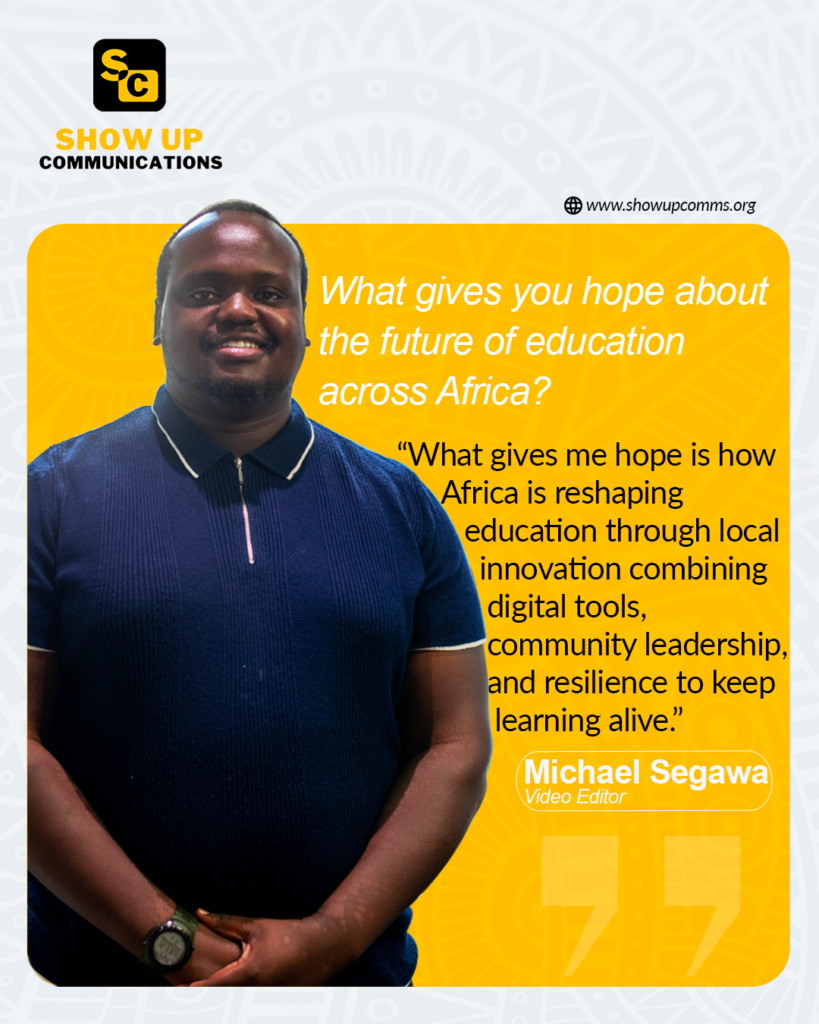
What these examples reveal is not a single story of progress, but many overlapping ones. They show an Africa that is not waiting to be fixed, but actively reshaping how learning works within its own realities. Education across the continent is becoming more flexible, more contextual, and more responsive to the lives learners actually live.
Rewriting the narrative on education is not about presenting a perfect system. It is about recognising the creativity, resilience, and leadership already shaping learning across Africa. From mobile phones to radio waves, from community centres to universities, education is being rebuilt in ways that reflect dignity, relevance, and possibility. These are the stories that deserve space and sustained attention, because they show a continent redefining what learning can look like—one community at a time.
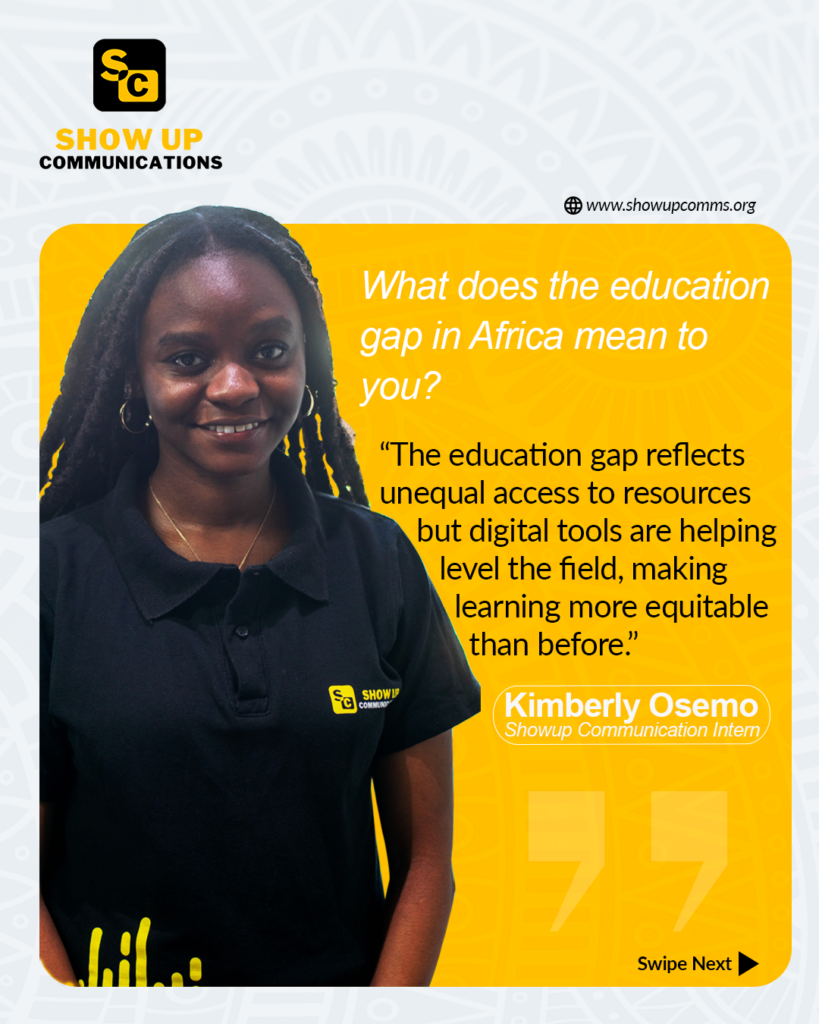
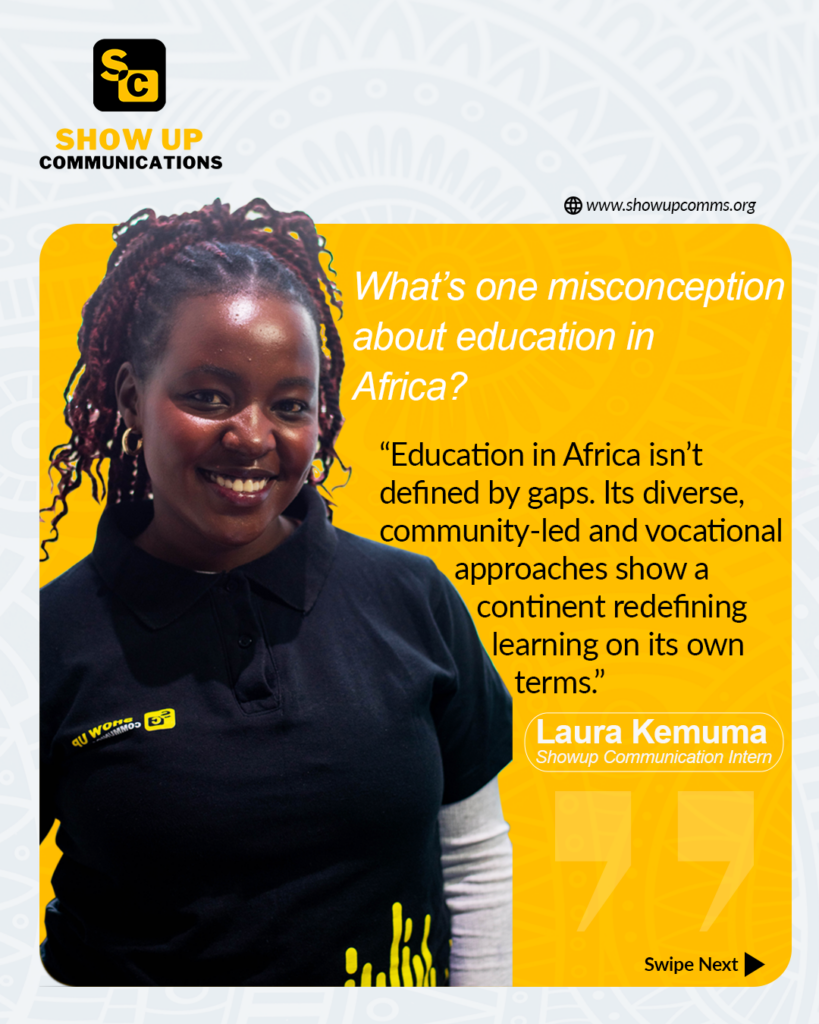
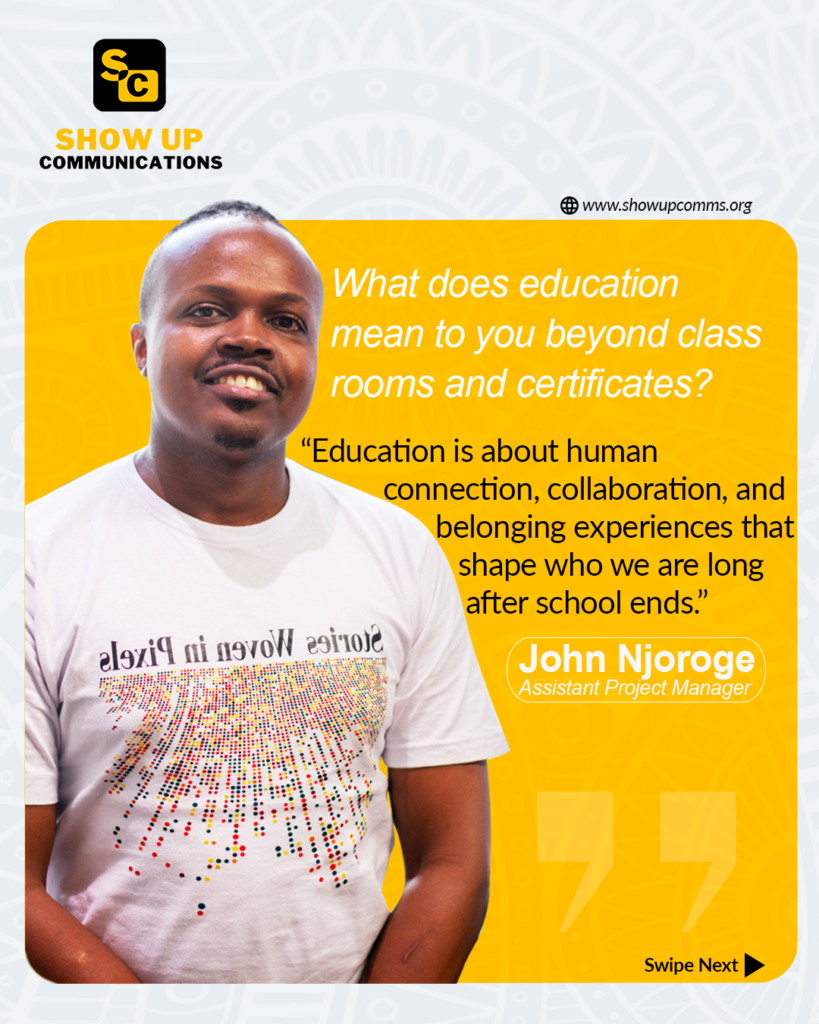
0 Comments