
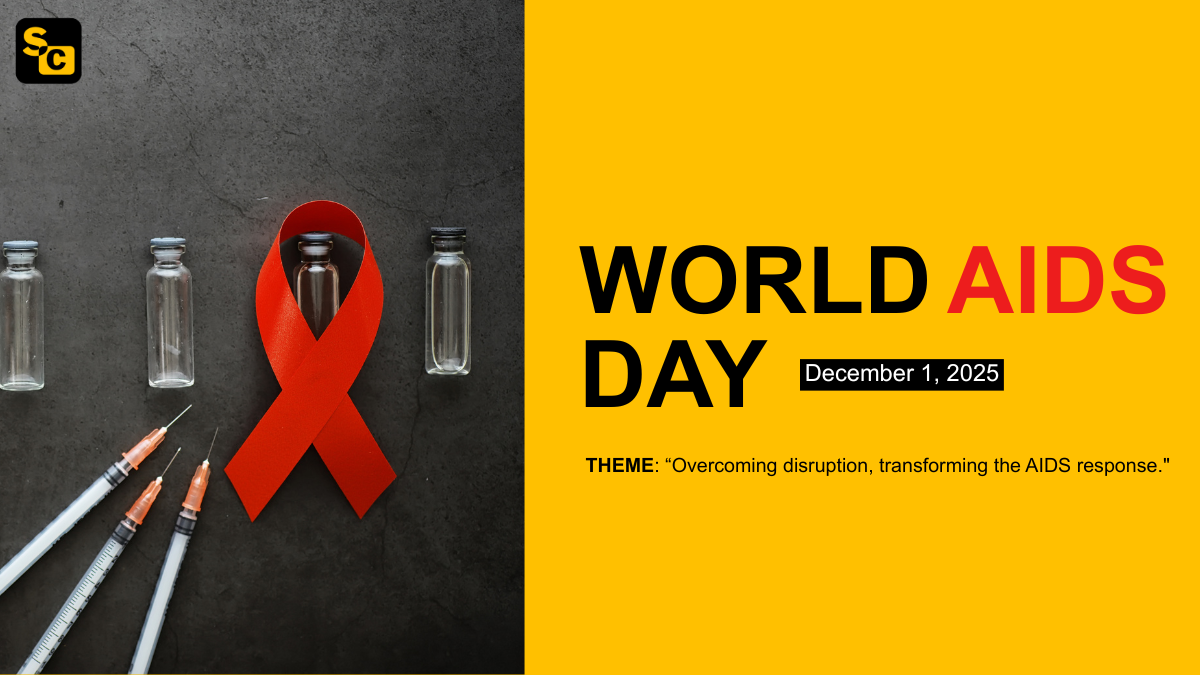
Science is evolving, and so is the fight against HIV. Across Africa and beyond, new tools are transforming the way we prevent infections, strengthen care, and respond to stigma. This World AIDS Day, we shine a light on one of the most promising innovations yet, injectable lenacapavir (LEN), a long-acting pre-exposure prophylaxis (PrEP) option that could change the future of HIV prevention.
In 2024, 1.3 million people were newly infected with HIV, most of them in Africa. Behind every number are stories of communities trying to protect themselves while navigating barriers such as stigma, distance, and access to care. Pre-exposure prophylaxis (PrEP) has already saved countless lives by allowing HIV-negative people to take medicine that dramatically reduces their risk of infection.
Until recently, this protection came mainly in the form of daily pills, an option that, while effective, is not always practical or easy to maintain. For many young people, daily use carries the burden of secrecy or stigma. For others, especially in remote areas, consistent access to medication is not guaranteed.
That is why injectable lenacapavir (LEN) matters. Recommended by the World Health Organisation (WHO) in July 2025, it offers a new, simpler way to stay protected with just two injections a year, one every six months. Clinical trials have shown that it is nearly 100 per cent effective at preventing new infections. For those who struggle with daily pills, this innovative solution provides seamless protection, enhancing their lives without disruption and making a meaningful difference in their daily routine. This innovation prioritises not only convenience but also access with dignity. In communities where stigma still shapes people’s choices, LEN provides privacy and freedom. For sex workers across Africa, for pregnant women aiming to prevent transmission to their babies, and for young people who have hidden their medication out of fear of judgment, this development could bring relief, safety, and confidence.
Media campaigns have long demonstrated the power of storytelling in influencing health behaviour. Shows like MTV Shuga, created to spark honest conversations about HIV, love, and prevention, have proven that awareness begins with visibility. Today, science adds another layer to that story, innovation that listens to people’s realities and responds to their needs.
Access remains the next critical step. WHO has urged governments and partners to begin rolling out lenacapavir through community clinics, pharmacies, and telehealth platforms, ensuring that low- and middle-income countries can access it starting from 2027. The implementation must prioritise equity, reaching people in prisons, those living in informal settlements, and anyone for whom distance or discrimination has made healthcare harder to reach.
This World AIDS Day, under the theme “Overcoming disruption, transforming the AIDS response“, encourages us to celebrate the remarkable progress that can be achieved when science, policy, and compassion come together for a shared purpose. Ending HIV is not just a medical objective; it is also a social commitment to ensure that protection, dignity, and opportunities are accessible to everyone.
0 Comments