
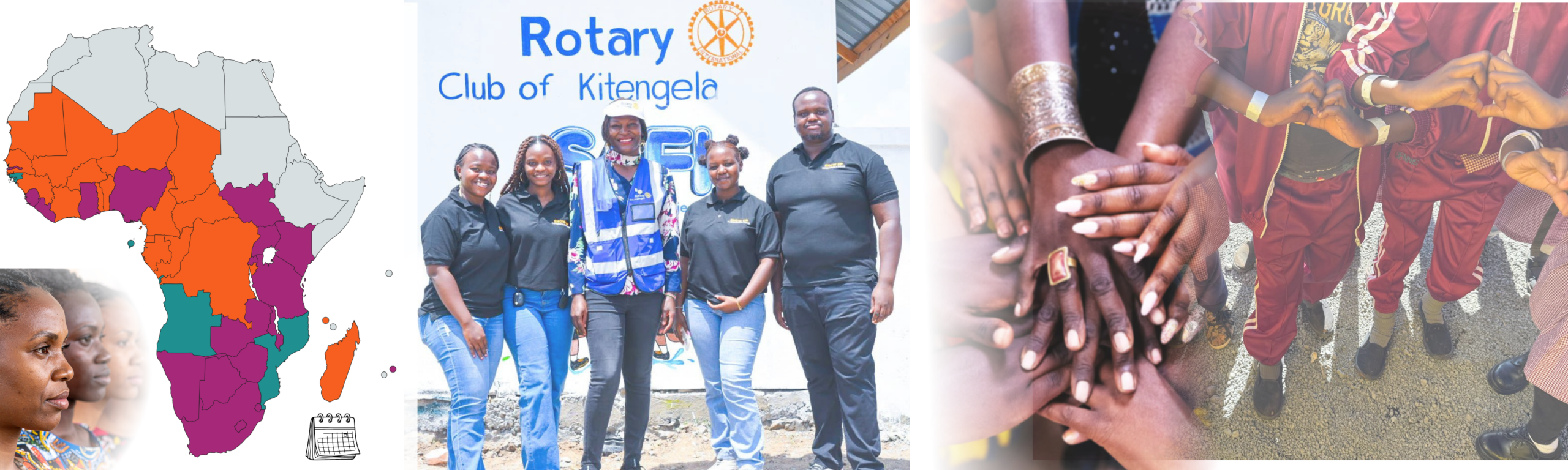
A new year offers a moment to pause, reflect, and begin again with intention. As 2026 unfolds, the first quarter has already been shaped by conversations, collaborations, and storytelling that continue to explore how ideas travel and how narratives shape the way Africa is seen and understood.
Across January, February, and March, our work reflected themes of identity, leadership, community, and communication. From campaigns exploring how Africa’s stories are told to partnerships highlighting community impact, the quarter offered many moments to listen and share. It also created space to participate in global conversations on communications and purpose, and to amplify voices that matter.
In this first edition of the year, we bring together a few reflections and highlights from the months that have begun to shape the journey ahead.
Letter from Director: Nancy Onyango
The beginning of a new year often invites both reflection and renewed focus. As 2026 unfolds, it also reminds us that the global community is entering the final stretch toward the 2030 milestone for the Sustainable Development Goals, with just four years remaining. In this context, communication continues to play a critical role in shaping how priorities are understood, how partnerships are formed, and how progress is shared.
In a world shaped by competing narratives, how Africa’s stories are told matters. In the first months of the year, our engagements have centred on conversations around narrative, leadership, and community impact. Across campaigns exploring how Africa is represented, reflections on women’s leadership, and partnerships highlighting community-driven change, these moments have reinforced how intentional communication helps expand perspectives, connect ideas, and elevate the voices shaping the continent’s evolving story.
This edition of the newsletter brings together some of the highlights from the quarter. Each story reflects an ongoing commitment to communication that is thoughtful, purposeful, and rooted in the realities and aspirations of the communities and sectors we engage with.
My hope for 2026 is that we continue to create space for authentic African stories to be told, heard, and recognised for the perspectives they bring to the global conversation.
I extend my sincere appreciation to our clients, partners, service providers, and the wider community who continue to collaborate with us. A special thank you goes to the SUC team whose dedication, creativity, and commitment remain the foundation of our work. As the year continues, I look forward to the ideas, partnerships, and stories that will shape the months ahead.
Highlights:
#RewritingTheNarrative – January Campaign
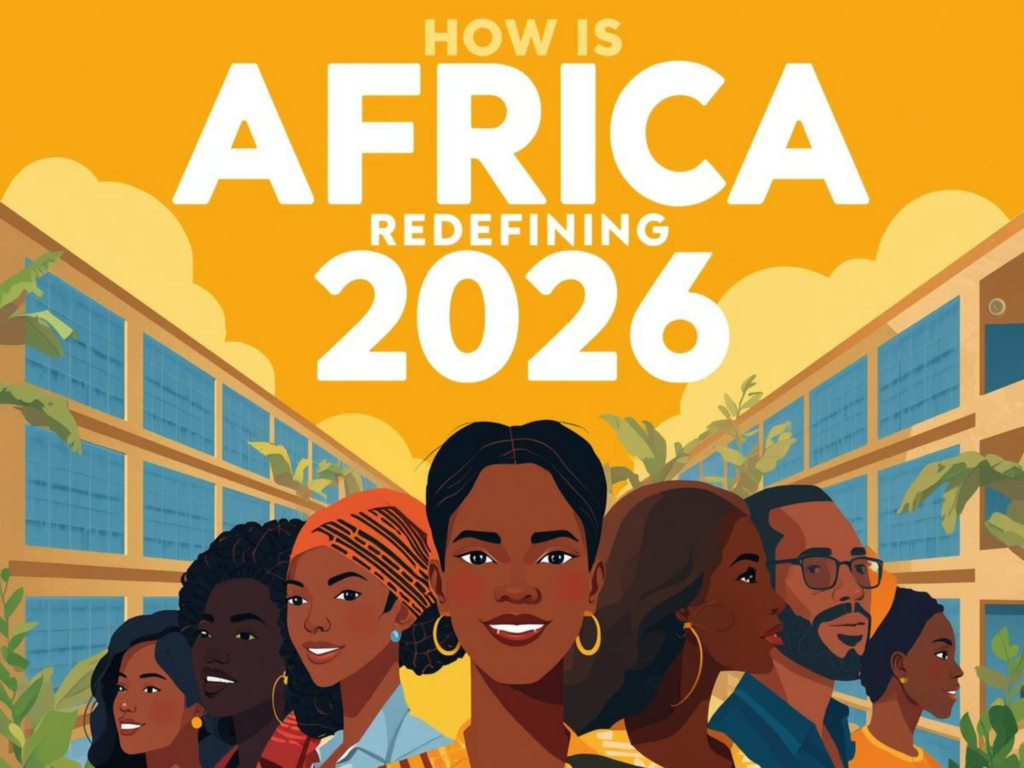
For many years, stories about Africa have often been framed through narrow lenses or familiar headlines that overlook the depth of everyday innovation, leadership, and creativity across the continent. At the start of 2026, we launched the #RewritingTheNarrative campaign, a storytelling initiative inviting audiences to engage with the ideas and perspectives shaping Africa’s future. This initiative seeks to widen that frame and bring forward the voices, ideas, and perspectives that reflect the continent in its many dimensions.
The campaign opened with our article Continental Shifts Worth Watching: Narratives to Follow in 2026, which explored emerging developments across the continent. From the rise of green skills and sustainable industries to youth-led digital platforms strengthening civic participation, and a renewed wave of African storytelling in film, literature, and media, these narratives reflect a continent moving with creativity, intention, and confidence.
Throughout January, the campaign also explored themes such as education, clean energy, digital rights, and gratitude, connecting global observances with everyday African experiences. On International Day of Education, we reflected on how learning continues to shape opportunity, identity, and resilience across the continent, even as millions of children and youth remain out of school. We also highlighted the growing importance of clean energy transitions, recognising how renewable solutions and community-led innovations are expanding access to reliable power while supporting livelihoods and local enterprise. Together, these stories remind us that rewriting the narrative often begins with the quiet shifts happening in classrooms, communities, and digital spaces across Africa.
Benin Follow-Up Phase (Second iPRIS Cohort) – 9th–12th February 2026
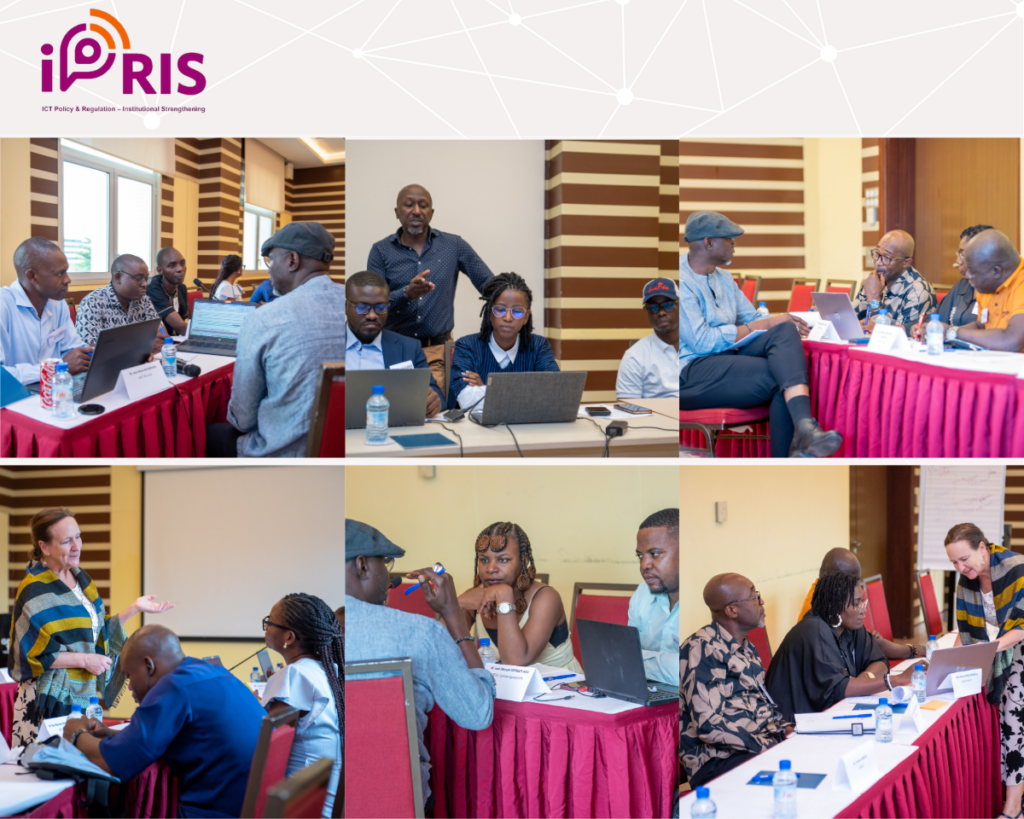
iPRIS Participants in Benin (French Cohort)
In the telecommunications world, regulation quietly shapes how millions of people connect, communicate, and participate in the digital economy. Across Africa, progress continues as regulators work to strengthen policy frameworks that expand connectivity, encourage investment, and support inclusive digital markets.
From 9th to 12th February 2026, telecom regulators from across Francophone Africa gathered in Cotonou, Benin, for the Africa session of the second iPRIS cohort, hosted by the Electronic Communications and Postal Regulatory Authority of Benin (ARCEP Benin). The session brought together regulators from Benin, Burundi, Cameroon, Equatorial Guinea, Gabon, and Guinea. It also included implementing partners SPIDER and ILR, regional regulatory organisations WATRA, ARTAC, and EACO, and participation from ARCEP France.
As part of the iPRIS peer-to-peer learning cycle, the Benin session marked the cohort’s transition from training to implementation following the programme’s training round in Luxembourg in September 2025. Throughout the week, regulators presented progress on their Change Initiatives (CIs) addressing areas such as competition regulation, spectrum management, fibre infrastructure, and emerging technologies, including 5G deployment.
The programme also included discussions on financial innovation, diversity and inclusion in regulatory institutions, and project management and monitoring tools, helping regulators strengthen both institutional capacity and policy implementation.
The Benin follow-up phase reaffirmed the importance of collaborative regulatory leadership in advancing Africa’s digital transformation. By creating space for regulators to exchange experience and refine reforms, iPRIS continues to strengthen inclusive digital ecosystems across Africa.
Read more: Francophone telecom regulators accelerate digital transformation in Benin.
Supporting Safe Sanitation at GK Prisons Primary School – 20th February
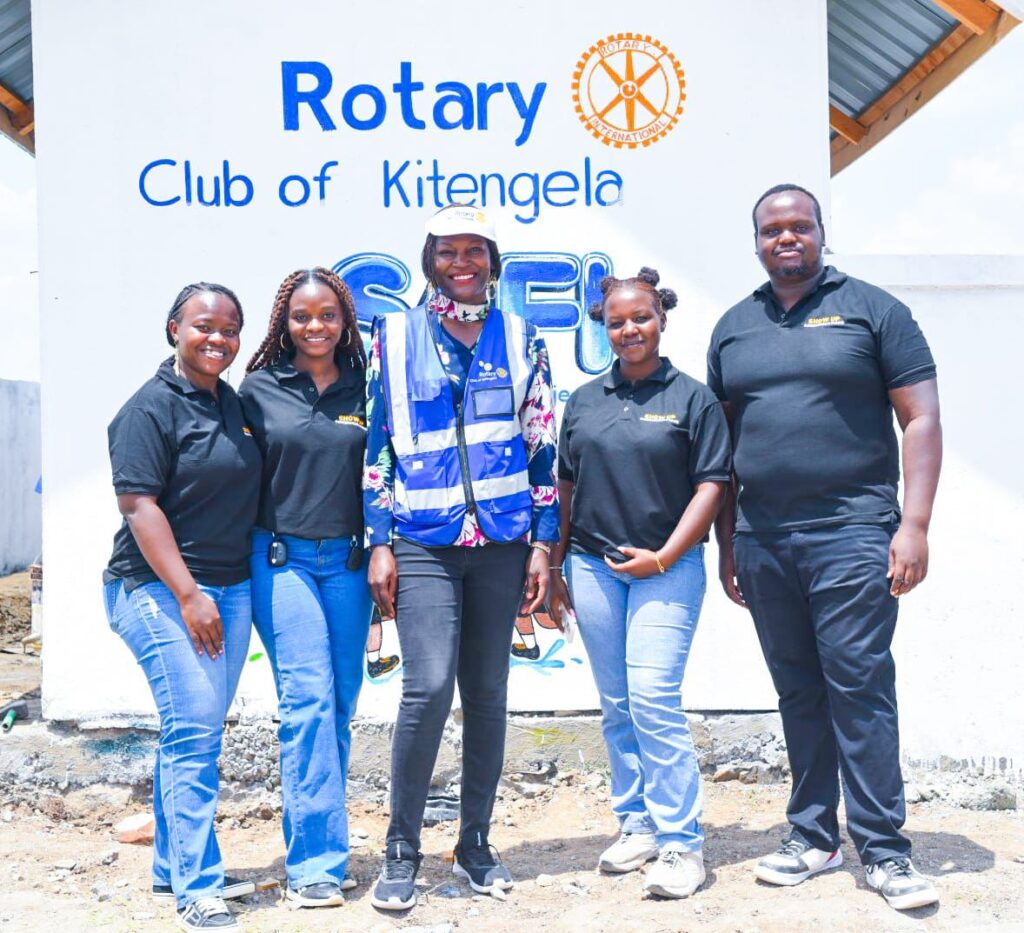
Today, students at GK Prisons Primary School in Kitengela can learn in a safer, more dignified environment, where sanitation is no longer a daily challenge. Improved facilities mean healthier school days, greater comfort, and more confidence for learners.
This progress reflects the promise of Sustainable Development Goal 6, which calls for safe and equitable access to water and sanitation for all. Water, Sanitation and Hygiene (WASH) remain essential foundations for healthy communities and effective learning environments.
As part of our Sustainability Wing, we supported the Rotary Club of Kitengela in documenting and amplifying this milestone through the SAFI programme, which delivered a comprehensive sanitation upgrade at the school. The project included the renovation of existing facilities and the construction of 26 new toilets, 16 for boys and 10 for girls, along with accessible toilets for learners with disabilities and a dedicated menstrual hygiene space for girls. A modern septic system designed for future biodigester conversion was also installed, reinforcing the project’s long-term sustainability.
The handover ceremony also included a tree-planting activity and the introduction of seed balls, led by the Rotary Club of Athi River Kapiti, reinforcing the project’s commitment to environmental stewardship and community care.
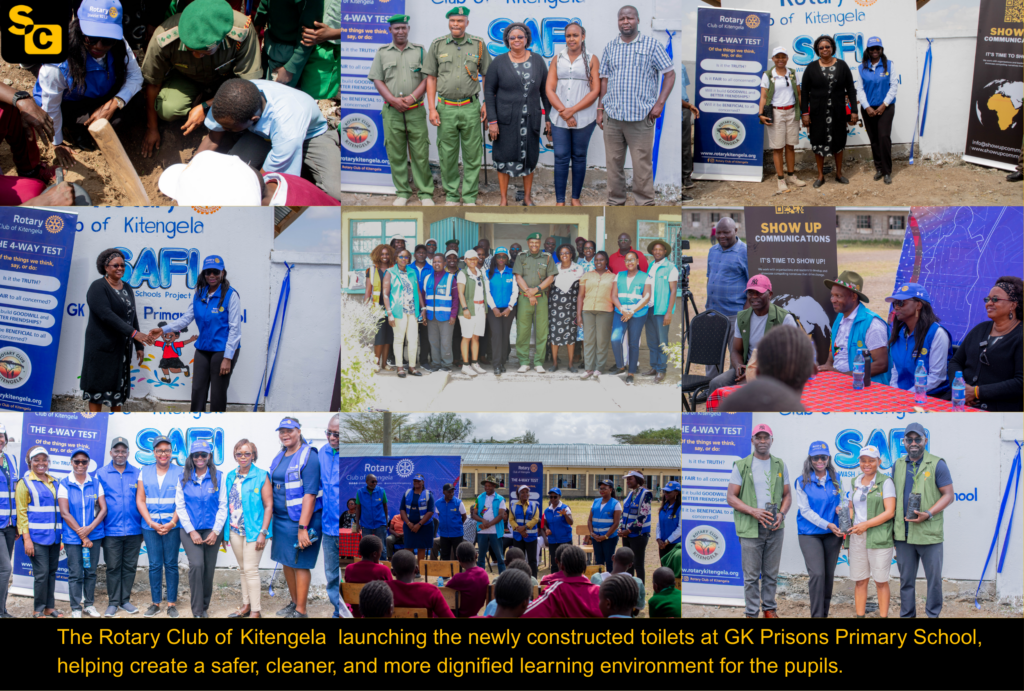
Read more: A New Beginning for GK Prisons Primary School.
#ForTheLoveOfAfrica – February Campaign
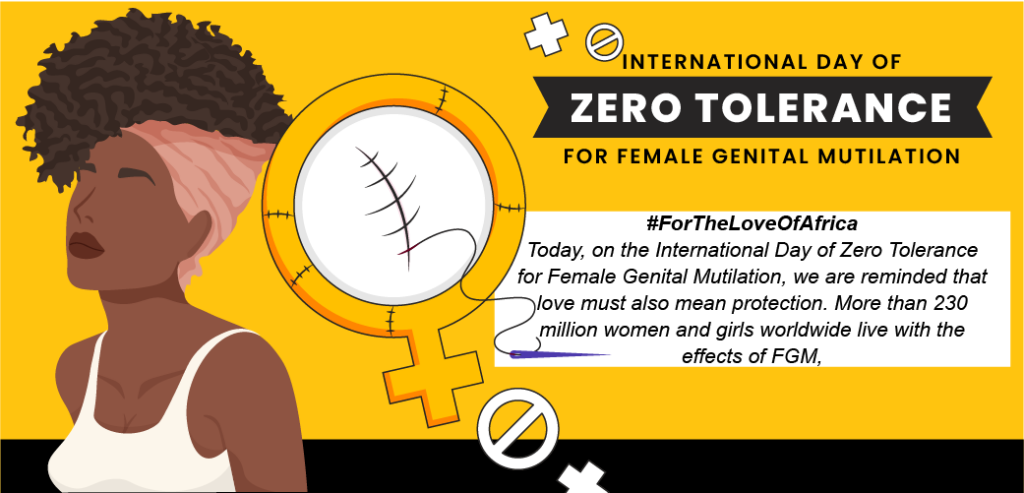
February is often associated with celebrating love. Through the #ForTheLoveOfAfrica campaign, we chose to explore love in a broader sense, as care expressed through protection, learning, culture, communication, and service across the continent. In many African societies, love is not only a sentiment but a responsibility that shows up in the choices communities make to protect dignity, expand opportunity, and sustain collective wellbeing.
Throughout February, the campaign highlighted how these expressions of care shape everyday life across Africa. On the International Day of Zero Tolerance for Female Genital Mutilation, we reflected on love as protection and the collective responsibility to safeguard the health, dignity, and rights of girls. The International Day for Women and Girls in Science spotlighted organisations and initiatives supporting women and girls in learning, innovating, and leading in science and technology, reinforcing that investing in their potential is an investment in Africa’s future.
The campaign also reflected on the importance of communication, culture, and service to communities. On World Radio Day, we celebrated radio as one of the most trusted and accessible forms of communication across the continent, connecting communities and sharing information in local languages. As International Mother Language Day approached, we highlighted the role of African languages in preserving heritage and strengthening cultural identity. The campaign concluded with reflections around World NGO Day, recognising organisations and individuals whose work continues to serve communities, defend rights, and advance development across Africa.
Together, these stories remind us that love for Africa is expressed through everyday actions that protect dignity, strengthen communities, and support a more just and inclusive future.
You can explore some of these reflections and stories from the #ForTheLoveOfAfrica campaign through the highlights below:
- Love As Protection: Ending FGM Through Collective Action- article
- Love In Action: NGOs In Africa -article
- World Radio Day – video
- International Mother Language Day – video
Mining Indaba 2026 – Strengthening Partnerships for Africa’s Mining Future
In the global mining and energy sectors, partnerships and dialogue often shape investment, innovation, and sustainability. Platforms such as Investing in African Mining Indaba continue to bring together governments, industry leaders, and development partners to discuss the future of Africa’s mineral resources.
From 9th to 12th February 2026, the Investing in African Mining Indaba in Cape Town, South Africa, convened more than 11,000 delegates to explore how the sector is responding to major shifts, including the energy transition, demand for critical minerals, technological innovation, and evolving geopolitical dynamics. Under the theme “Stronger together: Progress through partnerships,” discussions emphasised collaboration across governments, businesses, investors, and communities to build more resilient and sustainable mining value chains.
Media coverage across regional and international outlets reflected the significance of these conversations. Outlets such as SABC News, eNCA, Mail & Guardian, Reuters and The East African highlighted keynote speeches, government participation, and broader debates on Africa’s mineral resources, industrialisation, and global supply chains.
Here are some media features that captured key conversations from the Indaba:
- LIVE: Africa Energy Indaba 2026 – SABC News
- President Ramaphosa to address Africa Energy Indaba – eNCA
- African supply chains under strain from Middle East conflict, Ramaphosa says | Reuters
- Africa’s mineral wealth must finance its industrialisation: Lessons from Indaba conference
Beyond Safaris – Reframing African National Narratives
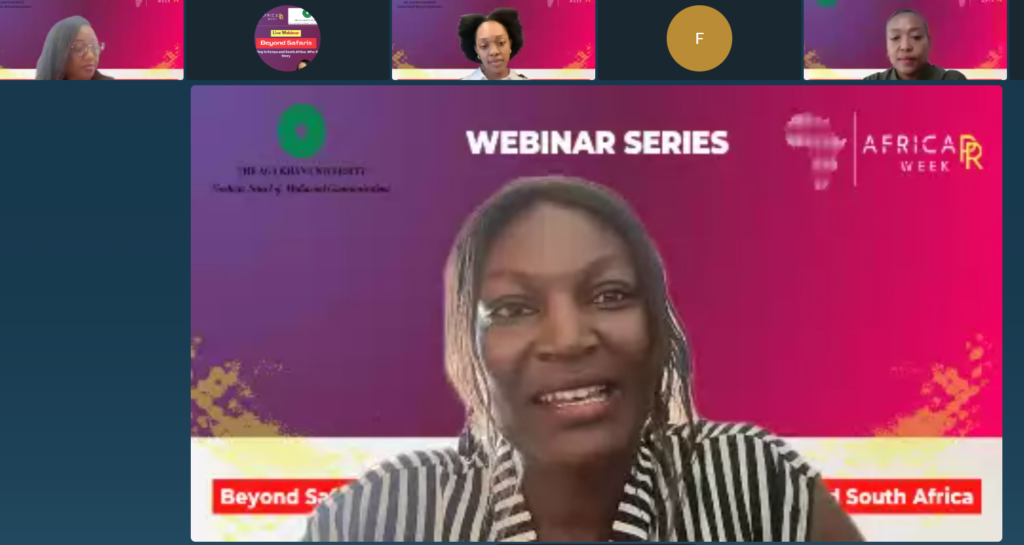
Nancy Onyango presenting during the Beyond Safaris webinar
Africa’s global narrative has often been shaped by familiar images of safaris and struggle, leaving many of the continent’s stories of innovation, culture, and leadership underrepresented. On 11 February 2026, our Director, Nancy Onyango, participated as a panel speaker in the Africa PR Week webinar “Beyond Safaris: Reframing African National Narratives.” The discussion brought together communication professionals, branding experts, and scholars to examine how African countries are perceived globally and explore strategies for reclaiming and redefining national and continental identities, with particular focus on Kenya and South Africa. During the conversation, Nancy emphasised the importance of Africans reclaiming the power to tell their own stories. In her essay ‘How to Write About Africa’, Binyavanga Wainaina highlighted how intentional storytelling can challenge outdated stereotypes and reflect the continent’s diversity, innovation, and cultural influence.
Listen in to the full webinar: Beyond Safaris: Reframing African National Narratives
#WomenThatLead – March Campaign
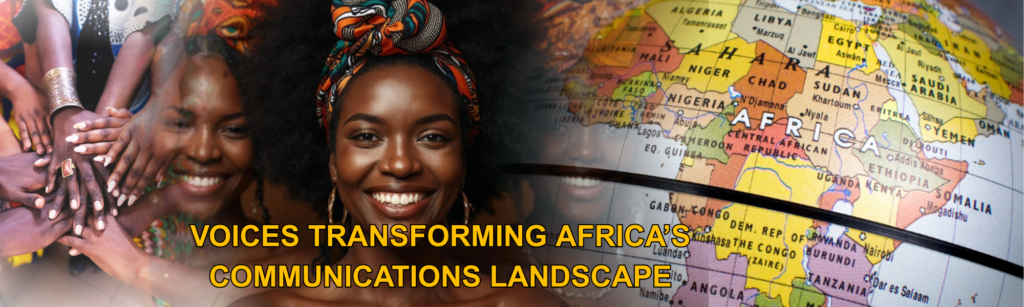
March provided an opportunity to celebrate the leadership, influence, and impact of women across Africa through the #WomenThatLead campaign. Throughout the month, we highlighted how women continue to shape institutions, narratives, and communities, demonstrating that gender equity is essential for inclusive and sustainable development.
The campaign opened on Zero Discrimination Day, reflecting on the barriers that continue to limit women’s participation in digital spaces, leadership, and decision-making. From access to technology to representation in management and policy spaces, the conversation emphasised the importance of strengthening diversity, equity, and inclusion so that women can participate fully and lead across sectors.
Throughout March, the campaign celebrated women whose work is shaping communication, justice, and public discourse. Around International Women’s Day, we highlighted influential women in media and communications whose storytelling continues to amplify voices and reshape narratives across the continent. The campaign also recognised the contribution of women in the judiciary on International Women Judges Day, reflecting on how their leadership strengthens justice systems, expands access to rights, and brings diverse perspectives into legal institutions.
Creativity and culture also featured prominently. In the lead-up to World Poetry Day, we featured Kenyan spoken-word artist Spontaneous the Poet, exploring how one can earn a living as a creative and how artistic expression can inspire leadership, advocacy, and social change. The campaign concluded with reflections around World Water Day, highlighting how unequal access to water continues to affect women and girls across many communities and why equitable water access remains central to gender equality and sustainable development.
Together, the stories shared throughout the #WomenThatLead campaign illustrated how women’s leadership continues to shape Africa’s future across sectors, from justice and communication to culture and community development.
You can explore some of these reflections and stories from the #WomenThatLead campaign through the highlights below:
- International Women’s Day: Voices Transforming Africa’s Communications Landscape – Show Up Communications
- How do you make Money as a Creative? Spontaneous the Poet discusses this and more – YouTube Video
- WomenThatLead feature – LinkedIn
- March recap -LinkedIn article
Ghana Follow-Up Phase (7th iPRIS Cohort) – 9th–12th March 2026
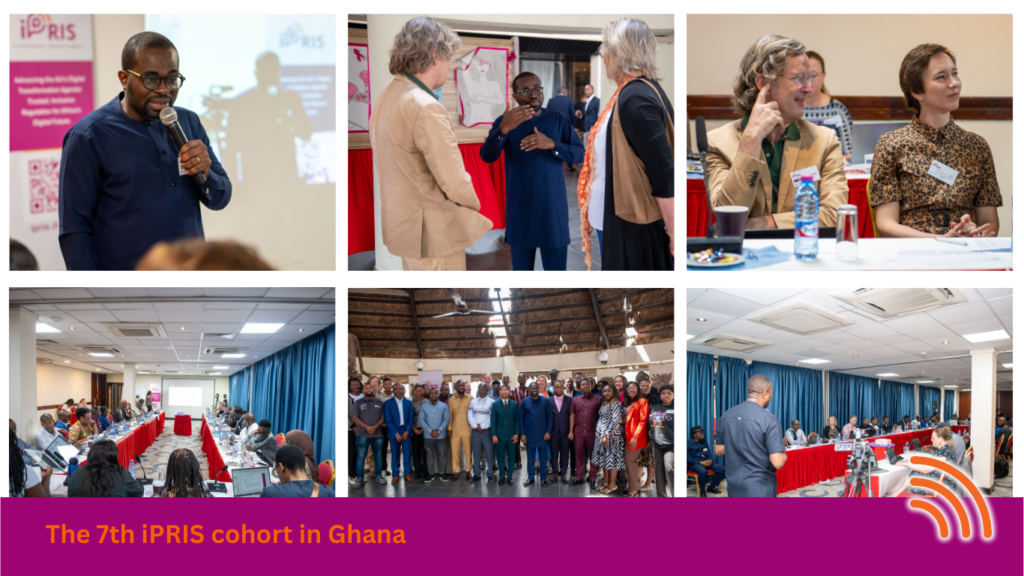
In March, telecommunications collaboration continued as regulators reconvened to advance practical reforms supporting digital connectivity across Africa.
From 9th to 12th March 2026, telecom experts gathered in Accra, Ghana, for the follow-up session of the 7th iPRIS cohort, hosted by the National Communications Authority of Ghana (NCA Ghana). The session brought together national regulatory authorities from Ghana, Kenya, Botswana, Lesotho, and The Gambia, with Malawi joining online. Participants were joined by implementing partners SPIDER and the Swedish Post and Telecom Authority (PTS), alongside representatives of the European Union and regional regulatory organisations, including CRASA, EACO, and WATRA.
The Ghana round followed the programme’s knowledge-exchange sessions in Sweden in November 2025 and focused on advancing national Change Initiatives (CIs) from policy concepts to practical regulatory action. Throughout the week, regulators reviewed progress on initiatives addressing areas such as spectrum policy development, broadband access, artificial intelligence governance, satellite regulation, and consumer protection.
Expert-led sessions also explored strategic foresight, digital inclusion, and project management approaches to strengthen regulatory capacity, while peer-learning exchanges with regional organisations supported collaboration on shared regulatory challenges.
The Ghana follow-up phase reaffirmed the importance of regional cooperation in expanding affordable connectivity and supporting inclusive digital economies. By supporting regulators in refining and implementing their Change Initiatives, iPRIS continues to strengthen regulatory capacity and advance digital transformation across participating countries.
Read more: African regulators share progress and policy insights at the iPRIS Ghana round – iPRIS
Purpose Awards 2026 – Nancy Onyango on the Judging Panel
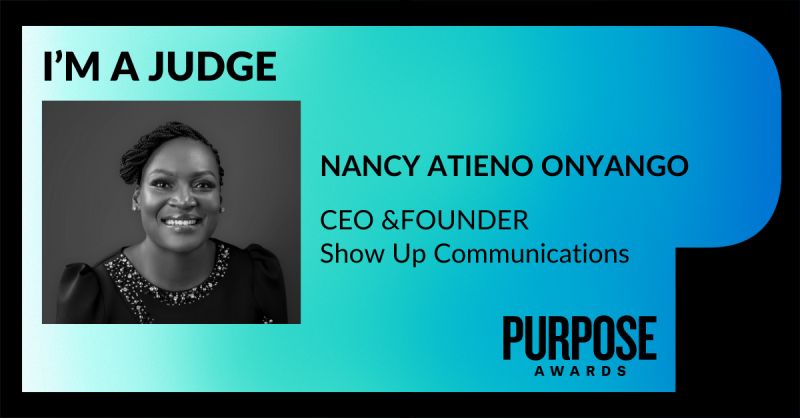
Purpose-driven communication continues to shape how organisations connect impact with meaningful change. Our Director, Nancy Onyango, is serving as a judge for the 2026 Purpose Awards, an international platform that recognises campaigns and organisations that successfully combine social impact with measurable outcomes. Supported by PRWeek, Campaign, and Third Sector, the awards highlight work that demonstrates both purpose and performance in communications. Nancy has joined a global panel of 40 judges from agencies, brands, non-profits, and purpose-driven organisations, reflecting the growing recognition of African perspectives in global communications and purpose-led storytelling.
Rotary clubs in Eastern Kenya: Sunshine Rally
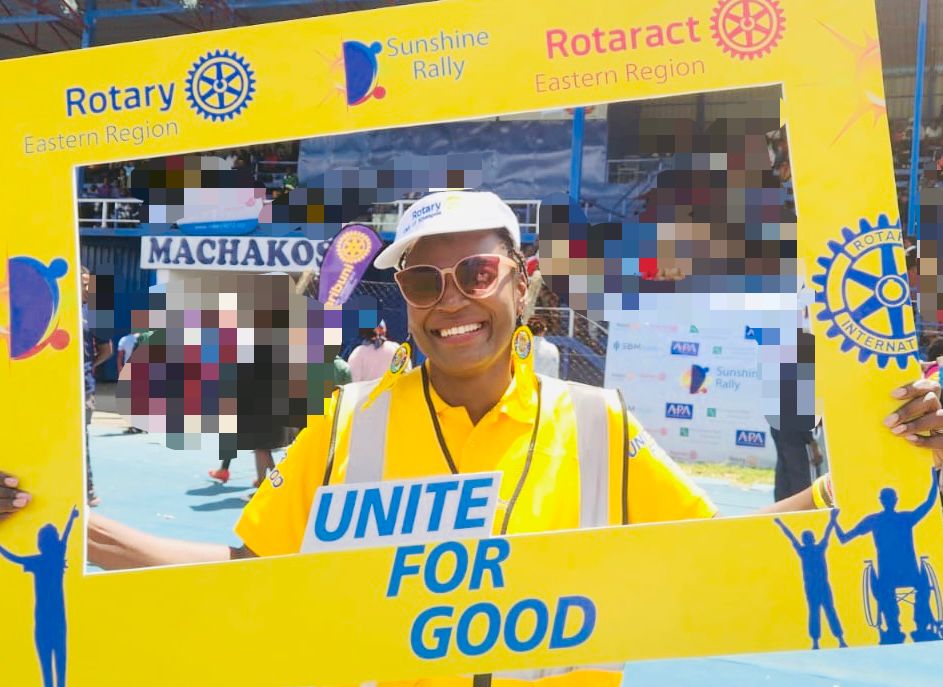
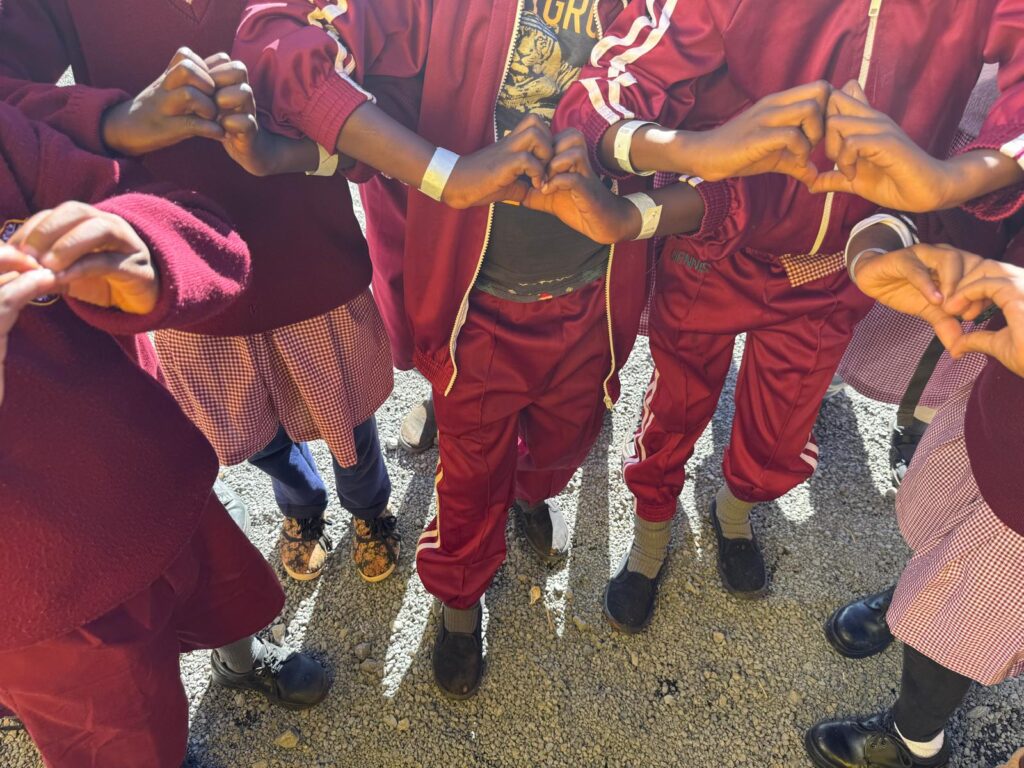
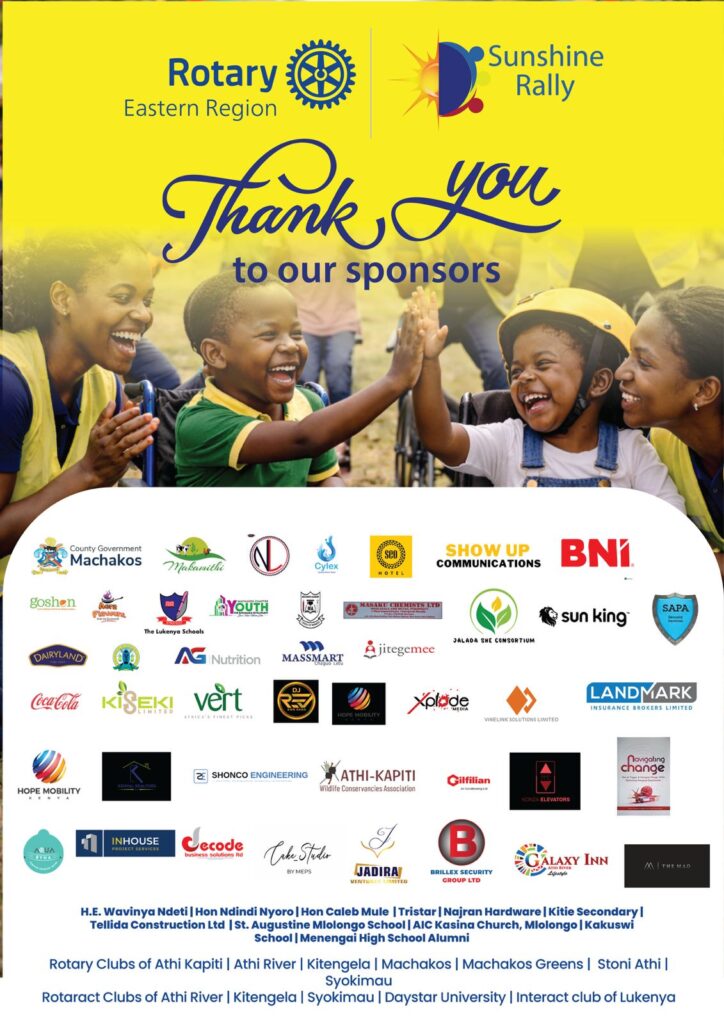
March concluded on a positive note as we participated in the Sunshine Rally held on March 28th at Jomo Kenyatta Stadium. The event brought together 650 children with disabilities from schools across Kajiado, Machakos, and Makueni counties, along with caregivers, teachers, civil society organisations, and local leaders. We were proud to be one of the sponsors and to have provided on-ground strategic media relations support, bringing joy to hundreds of children and their families.
New faces at Show Up Communications
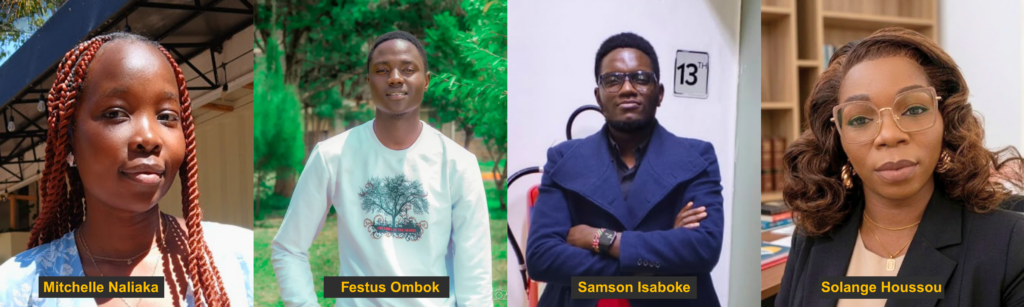
We are delighted to welcome Mitchelle Naliaka, Festus Ombok, Samson Isaboke and Solange Houssou to the Show Up Communications family. Each brings unique creativity, energy, and expertise that continue to strengthen our growing team.
As the year continues, we look forward to building new partnerships, sharing meaningful stories, and continuing the conversations that shape Africa’s evolving narrative.

0 Comments