
History serves as a reflection of the past and a guide for the future, sharpening our decision-making. Annually, on May 25th, Africa Day is celebrated in honour of the founding of the Organisation of African Unity in 1963. This is a day born of resistance, unity, and the shared belief that Africa’s future must be led by Africans themselves.
According to UNESCO (2021): Culture and Development Indicators, Africa has always been known for the rhythms of drumming, traditional storytelling, and culture, which have been the continent’s unbroken thread: language, food, music, and fashion. Nowadays, Afrobeat dominates international charts, African fashion houses redefine global style, and indigenous knowledge systems inform climate solutions.
The World Bank’s Digital Economy for Africa Initiative suggests that Africa has long been perceived as backward and gradually catching up, which is false. Across the African continent, startups are solving healthcare gaps with drones and telemedicine, farmers are using AI to predict yields, and renewable energy is powering off-grid communities. Africa has taken another path, basing its innovations on necessity-engineered solutions rather than trend-driven ones.
United Nations (UN DESA): World Population Prospects reports a youthful population in Africa that serves as a muscle, with an estimate that by 2050, one in four people on earth will be African, which signifies a shift in global gravity. Young people in Africa are building startups, leading climate movements, redefining governance and accountability, and creating content that reshapes global narratives.
The UNESCO World Day for African and Afrodescendant Culture 2024 emphasised the global significance of Africa’s diverse heritage. With over a thousand languages and vibrant traditions, African culture shapes global identity through music, fashion, storytelling, and cuisine. Africa Day also honours the continent’s resilience: despite colonialism, economic inequality, and social challenges, Africa continues to rise, innovate, and inspire the world.
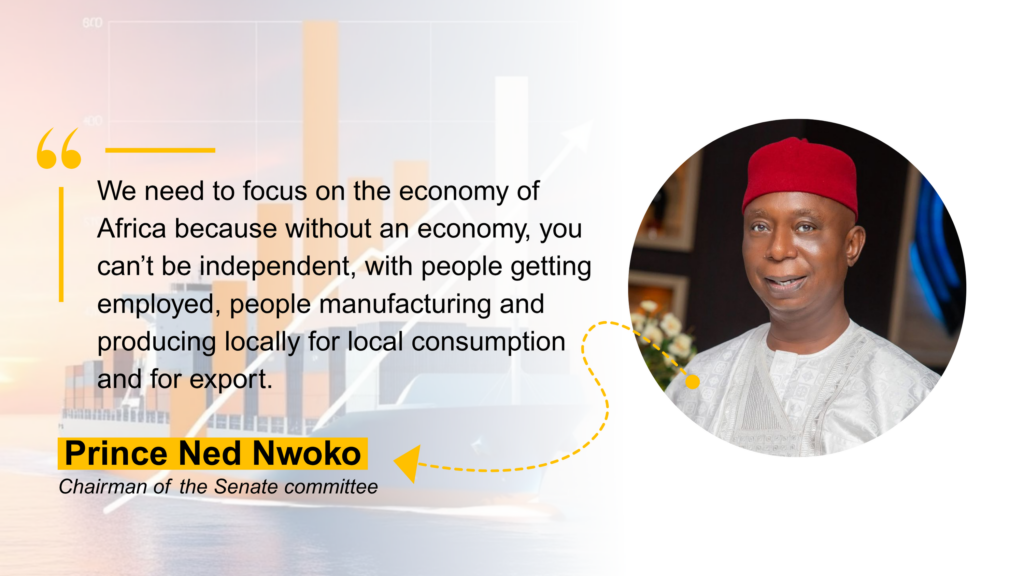
Chairman of the Senate committee, Prince Ned Nwoko, during Africa Day 2025, emphasised that Africa’s primary focus should be on its economy, prioritising local production, manufacturing and full employment to reduce reliance on external forces. He said, “We need to focus on the economy of Africa because without an economy, you can’t be independent, with people getting employed, people manufacturing and producing locally for local consumption and for export.
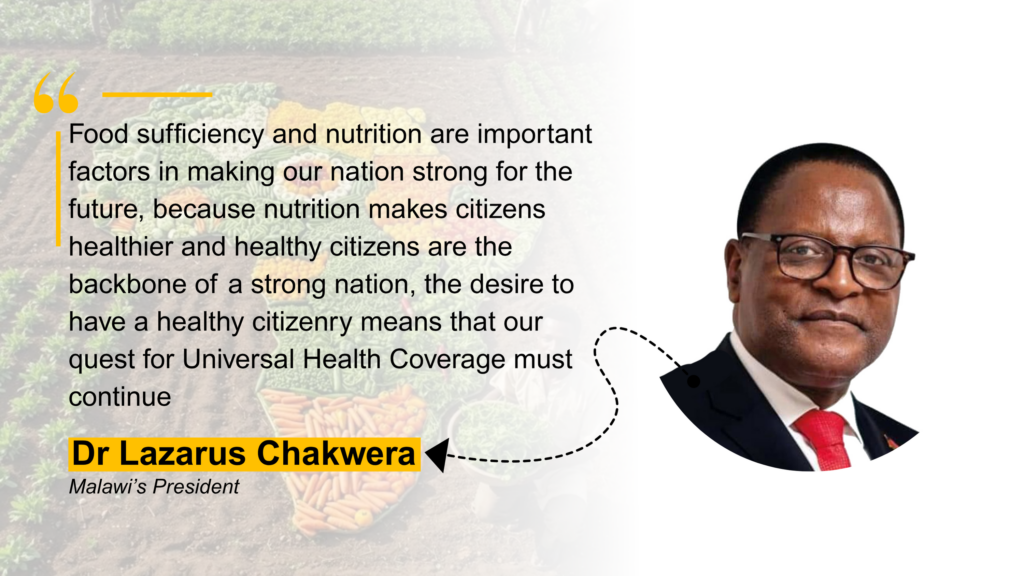
Malawi’s president, Dr Lazarus Chakwera, in his address to mark Africa Day, highlighted the importance of a healthy citizenry as the backbone of a strong nation. He said, “ Food sufficiency and nutrition are important factors in making our nation strong for the future, because nutrition makes citizens healthier and healthy citizens are the backbone of a strong nation, the desire to have a healthy citizenry means that our quest for Universal Health Coverage must continue” he also added that, “I join President Kagame of Rwanda and Bill Gates in announcing the partnership with Fightser Pharmaceutical to give Malawi and other countries greater access to quality medicine and vaccines.”
In the 63 years since the African Union was formed, Africa continues to face several enduring challenges. However, the continent’s tourism potential is undeniable, boasting a wealth of wildlife, stunning landscapes, and rich cultural heritage. Despite this, many Africans still struggle to explore their own continent due to restrictive visa policies, high travel costs, and limited flight connectivity between African countries. While some destinations are visa-free, others impose costly visa requirements and additional charges on visitors. Air travel within Africa also remains significantly more expensive than travelling outside the continent. To address this, the African Union introduced the Single African Air Transport Market (SAATM) to liberalise air travel across Africa, though implementation has remained uneven.
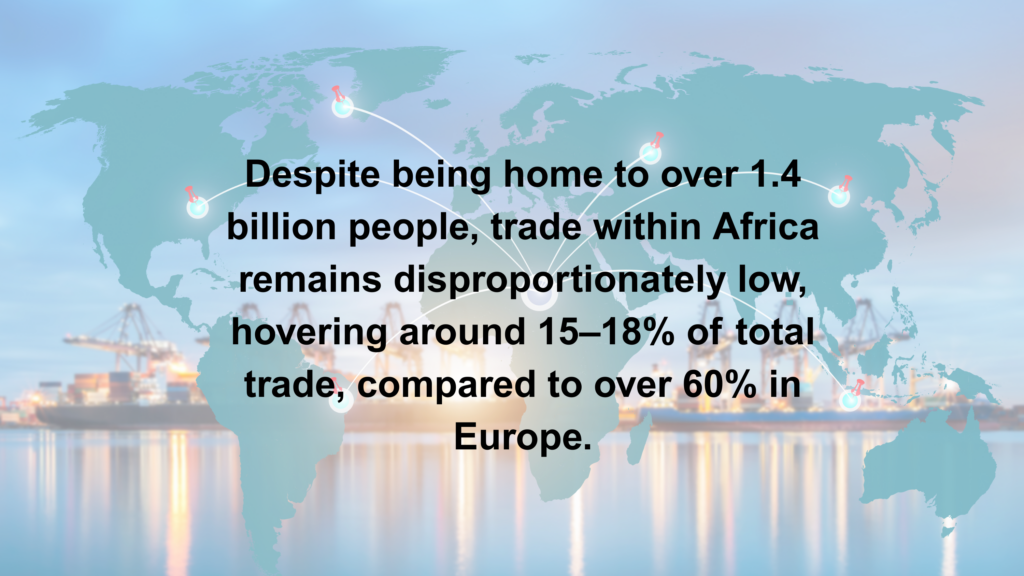
Despite being home to over 1.4 billion people, trade within Africa remains disproportionately low, hovering around 15–18% of total trade, compared to over 60% in Europe. Non-tariff barriers and inconsistent regulations continue to make trade between African countries difficult. The African Continental Free Trade Area was designed to change this by creating a single market.
At the centre of Africa’s unity agenda is the African Union, born from the ideals of the Organisation of African Unity. Its role is clear: promote integration, peace, and development across member states, and Agenda 2026 outlines this vision for a bolder future for the continent.
0 Comments