
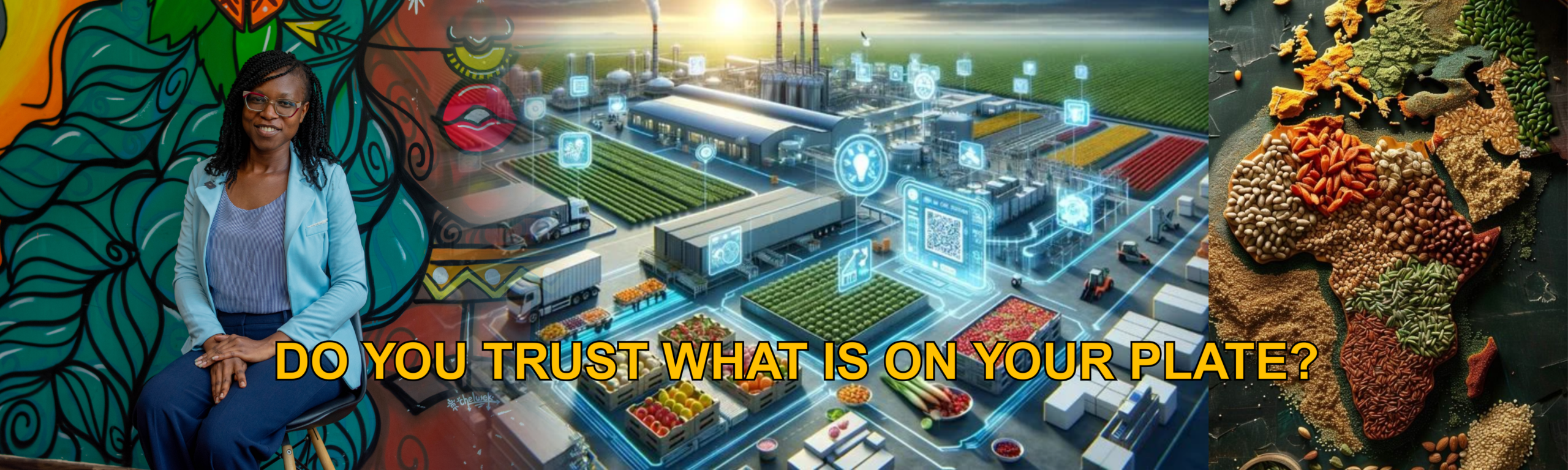
Every meal has a narrative, encompassing the journeys of farmers, markets, transportation, cooking, and trust. Unfortunately, for millions globally, unsafe food poses a serious risk to health, livelihoods, and lives.
According to the WHO, low- and middle-income countries lose US$110 billion annually due to unsafe food, which impacts productivity and medical costs. This emphasises the critical importance of food safety.
Food safety is not just about our plates; it’s about protecting communities, strengthening economies, and creating a healthier future for everyone. From the fields to our tables, everyone plays a part in ensuring food safety.
In 2026, we aim to reimagine “From burden to solutions – safe food everywhere, ” which highlights how data on illness, its burden and lost lives can guide action towards focused and cost-effective solutions.
Foodborne diseases continue to pose a significant global challenge, resulting in at least 200 illnesses that impact health. These diseases are primarily caused by bacteria, viruses, parasites, or chemicals that contaminate food. The impact of foodborne diseases on public health and economies is often underestimated due to underreporting and challenges in linking food contamination to illness or death.
Catherine Odhiambo, a distinguished food safety expert, editor, and food scientist committed to enhancing food safety and quality throughout Africa. Her journey in the food manufacturing industry, where she thrived as a Quality Assurance Officer, was honoured with the Early Careers Food Safety Specialist Award from the Institute of Food Science and Technology (IFST). Since then, Catherine has broadened her impact by playing a key role in the creation of Africa’s inaugural Food Safety Magazine.
As the founder of Techpalate Insights, she aims to bridge the gap between food safety, technology, and communication. In Africa, it’s important to avoid adopting technology just for its own sake. For instance, a small-scale farmer in Kenya might find blockchain technology too complicated at this stage. However, mobile-based traceability, where a simple QR code can convey a detailed story, is very much within reach. The approach is to focus on ‘Low-Tech, High-Impact’ solutions that can later evolve into more advanced technologies like AI and Big Data.
She discusses the challenges of real-time data and the phenomenon of viral panic. In today’s social media landscape, a single TikTok video can tarnish a brand’s reputation within hours. The only effective defence against this is real-time data. For instance, if a company keeps digital records of its batch testing and supply chain, it can quickly address any concerns with accurate information. Without this data, the company risks not only exposure to pathogens but also the damaging effects of rumours.
In 11 Sub-Saharan African countries (Burkina Faso, Ethiopia, Mali, Mozambique, Rwanda, Senegal, Sierra Leone, Uganda, the United Republic of Tanzania, Zambia, and Zimbabwe), nutrition and food surveillance programs have been implemented. As a result, up to 25% of districts now have effective data collection systems that contribute to national surveillance databases. This advancement has improved decision-making and monitoring of food and nutrition risks, as reported by the World Health Organisation (WHO).
Additionally, food monitoring systems that track contaminants such as aflatoxins, pesticides, and toxic metals have been enhanced through the WHO GEMS/Food Programme, with participation from countries including Kenya, South Africa, Senegal, and Tunisia in total diet and contamination studies.
For Africa’s future, adopting Digital Traceability is essential. The shift from traditional paper records to digital formats is very important. If we can’t digitally monitor a product from a farm in Makueni to a dinner plate in Nairobi, we won’t be able to compete globally or safeguard our citizens locally.
The Food and Agriculture Organisation (FAO), in collaboration with Fostering Digital Villages through Innovative Advisory and Profitable Market Services in Africa (FDiVi), reports that Rwanda has successfully integrated digital agriculture and food monitoring initiatives into its smart agriculture programs. These efforts are backed by regional and international partners, demonstrating a strong commitment to advancing digital agriculture and strengthening digital skills in rural agricultural communities.
It’s time for us to unite in pursuing a data-led, human-centred African food industry. To envision a future where every mother knows her milk is safe, not just by hope, but by certainty. We must advocate for a transparent and accountable system, one that prioritises integrity alongside innovation.
Governments should strengthen data collection through foodborne disease surveillance and food monitoring, using evidence to guide effective risk management measures and track progress.
Let’s all be Champions of food safety! Practice safe food handling at home by following WHO’s Five Keys to Safer Food. Stay informed and act on evidence by checking updates from reliable sources on food recalls, outbreaks and safe food practices.
Watch the full interview with Catherine: https://youtu.be/yzA7VZsgLrE
0 Comments