
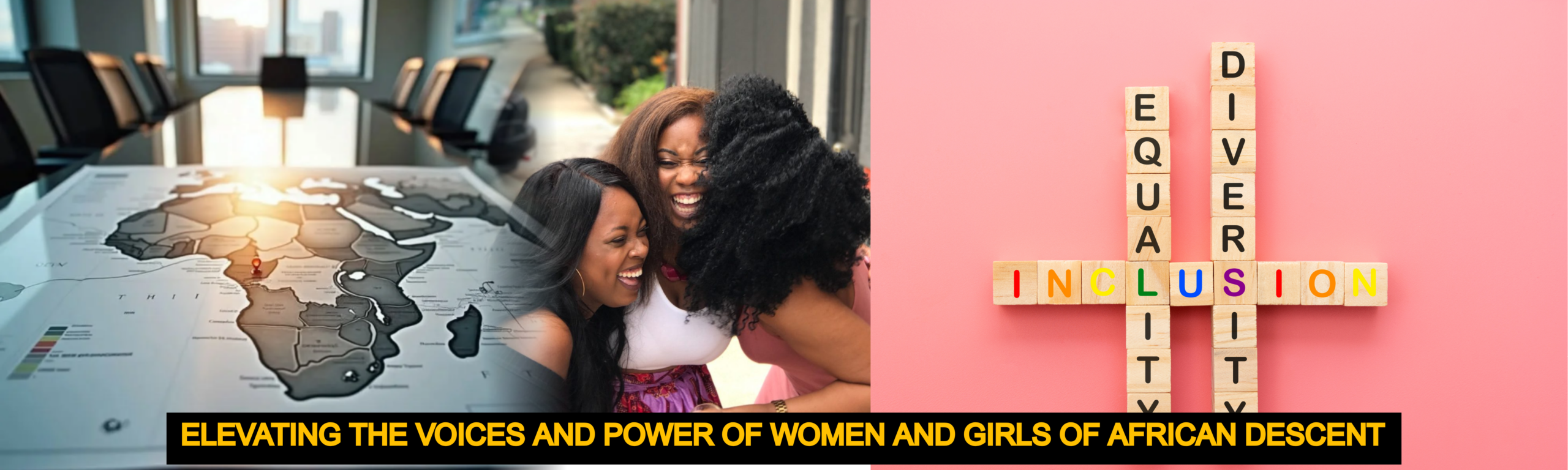
Women and girls of African descent are vital forces driving economic, cultural, and social progress in every African community. Their resilience, leadership, and innovation shape societies, often in the face of persistent inequality. The International Day of Women and Girls of African Descent moves beyond celebration; it calls for a renewed global commitment to their inclusion, empowerment, and recognition.
Our July campaign, #GroundedInPeople, reminds us that true development begins with people, their voices, dignity, well-being, and opportunities. Across Africa and the diaspora, women and girls remain at the centre of social transformation. They are educators, entrepreneurs, climate advocates, scientists, caregivers, creators, and peacebuilders whose contributions often sustain communities long before institutions arrive. Yet many continue to face barriers shaped by gender inequality, racial discrimination, poverty, and limited access to resources.
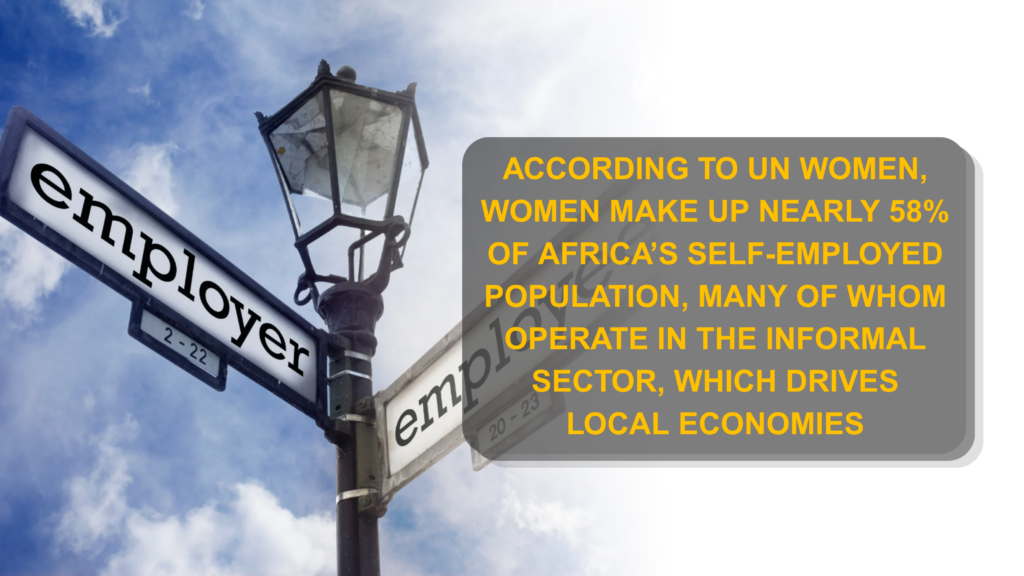
According to UN Women, women make up nearly 58% of Africa’s self-employed population, many of whom operate in the informal sector, which drives local economies. However, the World Bank Gender Data Portal notes that women across Sub-Saharan Africa continue to face limited access to financing, land ownership, and digital infrastructure compared to men. UNESCO further reports that millions of girls across Africa still experience interruptions in education due to poverty, child marriage, conflict, and climate-related displacement. These realities reveal that while women contribute immensely to society, equal opportunity remains unevenly distributed.
During the 2025 International Day of Women and Girls of African Descent commemorations, global leaders emphasised the importance of representation and inclusion in shaping future societies. United Nations Deputy Secretary-General Amina J. Mohammed stated that, “When women and girls of African descent are empowered, entire communities benefit from their leadership, innovation, and resilience.” Her remarks reflected growing recognition that empowering women is not simply a gender issue but a development priority that affects economies, governance, healthcare, and social stability.
The African Union Commission also highlighted the role of young African women in digital innovation and climate action during the 2025 celebrations. Across the continent, women-led startups are transforming agriculture, renewable energy, education, and healthcare using technology and community-driven solutions. In Kenya, Nigeria, Rwanda, and South Africa, young female entrepreneurs are increasingly entering sectors once dominated by men, using innovation to solve local problems while creating employment opportunities for others.
Technology has become one of the strongest tools for amplifying African women’s voices globally. Social media platforms and digital storytelling spaces are enabling women and girls to challenge stereotypes, advocate for justice, and celebrate African identity on their own terms. African creatives, journalists, and online activists are increasingly shaping global conversations around race, culture, mental health, leadership, and equality. According to the International Telecommunication Union (ITU), internet access among African youth continues to grow steadily, opening new opportunities for education, entrepreneurship, and civic engagement.
At the same time, challenges remain deeply rooted. The United Nations Population Fund (UNFPA) estimates that millions of girls across Africa remain vulnerable to gender-based violence and harmful practices that limit their education and economic independence. Climate change has also disproportionately affected women and girls, especially in rural communities where water scarcity, food insecurity, and displacement increase caregiving burdens and economic vulnerability. Despite these hardships, African women continue to demonstrate remarkable resilience by creating local solutions, organising support networks, and leading humanitarian responses within their communities.
This year’s theme, “Empowering Voices, Expanding Opportunities,” reflects a growing global call to ensure that women and girls of African descent are fully included in leadership, education, innovation, and economic development. The theme emphasises that representation alone is not enough; opportunities, protection, and investment must follow. It also aligns closely with the spirit of #GroundedInPeople, which centres human dignity and collective progress as the foundation of sustainable development.
Former Liberian President Ellen Johnson Sirleaf once said, “If your dreams do not scare you, they are not big enough.” Her words continue to inspire a generation of African girls as they enter spaces once considered unreachable. Across science laboratories, media houses, universities, businesses, and community organisations, women and girls of African descent are refusing to be defined by limitation. Instead, they are creating new narratives shaped by courage, intelligence, and possibility.
The International Day of Women and Girls of African Descent celebrates the achievements, cultures, and voices of women whose contributions shape societies every day. It also challenges governments, institutions, and communities to dismantle the systems that continue to hold women and girls back. A future grounded in people cannot exist without women and girls standing fully included, protected, heard, and empowered. Across Africa and the diaspora, their stories are no longer stories waiting to be told; they are stories actively shaping the future of the world.
0 Comments
Trackbacks/Pingbacks