
Across Africa, women are not only telling stories but also reshaping them. From newsrooms and boardrooms to activism and digital spaces, women communicators are challenging dominant narratives, amplifying unheard voices, and driving social transformation across the continent.
Yet even as progress continues, many women’s voices remain unheard. In several parts of the world, women are still denied access to essential resources and basic rights such as education, healthcare, and equal opportunities. This reality reminds us that while some barriers have been broken, many others still stand.
On this International Women’s Day, we celebrate and honour African women in the communication landscape who are transforming it by amplifying challenging narrative voices and driving social change across the continent.
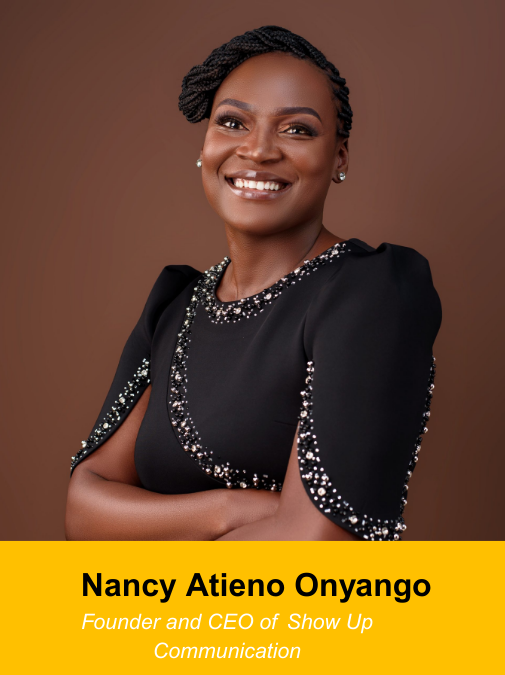
The story of Nancy Atieno Onyango, founder and CEO of Show Up Communications, reflects the power of storytelling to spark impact and inspire transformation across Africa. Through strategic communications and narrative change, her work demonstrates how communications can shape public understanding, influence policy conversations, and elevate voices that might otherwise remain marginalised.
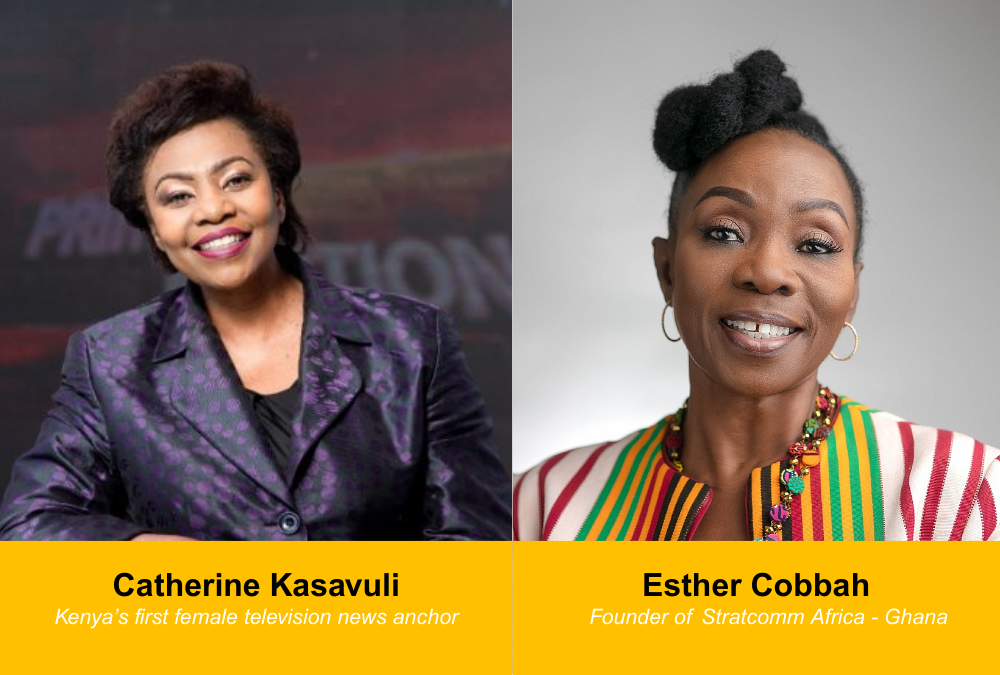
The journey of Catherine Kasavuli, the first female television news anchor in Kenya, reflects how women continue to break glass ceilings in traditionally male-dominated spaces. Her pioneering role in broadcast journalism underscored the importance of women’s leadership in shaping public discourse and access to information. Her presence opened doors for many young women in the media industry and inspired a new generation to pursue bold ambitions with confidence.
Similarly, Esther Cobbah of Ghana, founder of Stratcomm Africa, continues to shape conversations around reputation management and strategic communications. As she prepares to serve as the first African President of the International Public Relations Association, her leadership highlights how communications can influence governance, strengthen corporate accountability, and support development dialogue across the continent.
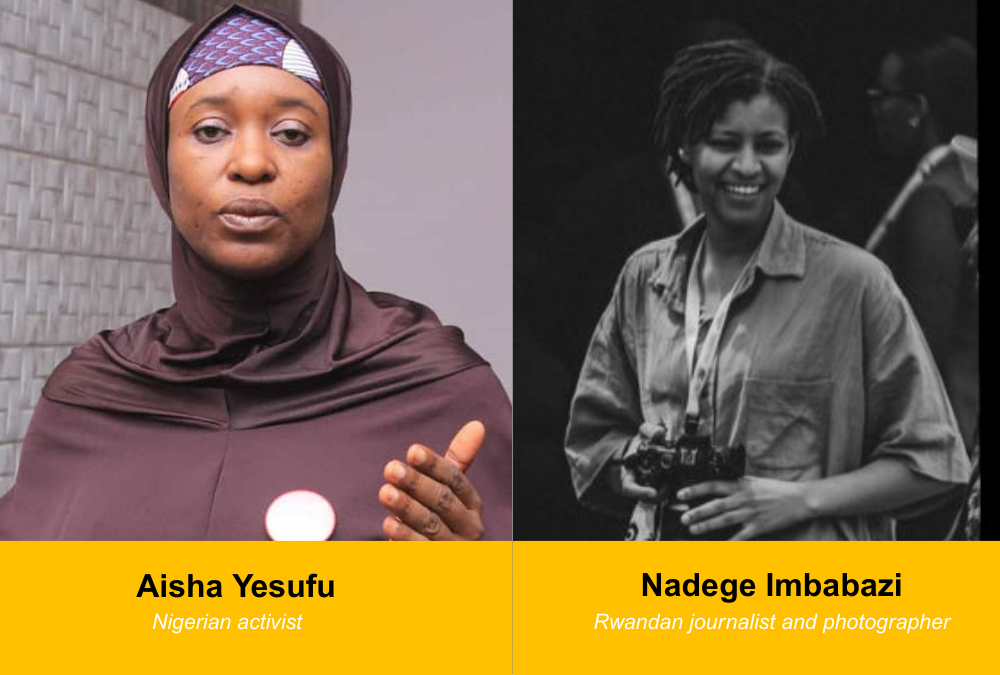
In Rwanda, the work of Nadege Imbabazi illustrates how storytelling through visual journalism can bring attention to community development and gender inequality. Through her lens, she highlights lived realities and social challenges while advocating for fair treatment and respect for women in the workplace. Her journey affirms that inclusive leadership and diverse voices strengthen institutions and contribute to social transformation.
Across the continent, activism also plays a powerful role in reshaping narratives. Nigerian activist Aisha Yesufu has leveraged social media to drive high-impact socio-political movements such as #BringBackOurGirls. Her international advocacy demanding accountability and justice for abducted girls demonstrated the power of digital platforms in mobilising citizens and holding leaders accountable. Her courage reminds us that women’s voices remain powerful instruments for justice and social change.
Despite these inspiring examples, significant challenges remain. Research highlighted in the Rwanda State of Gender Equity Report (April 2023) found that women’s representation in the media stands at just 21.5%, compared to 78.5% for men. The report also points to ongoing concerns around gender-based violence. According to the 2020 Demographic and Health Survey, nearly 46% of women reported experiencing gender-based violence from a partner in their lifetime, underscoring the persistent structural inequalities that continue to affect women’s lives.
Sexual harassment in the workplace has been the leading factor driving women journalists out of the newsroom. However, there are many women affected by it and are silent about the vice. According to a 2021 study by WAN-IFRA Women in News and City, University of London, almost half of the women in newsrooms in Africa have experienced some form of sexual harassment, yet 30% of sexual harassment cases were reported to the management. Fear of reprisals is the most common driver behind the limited reporting. The study also found that a lack of faith in organisations’ management and awareness of reporting systems also plays a part in this menace.
To address these challenges, UN Women has published a comprehensive handbook on addressing violence and harassment against women in the world of work. The handbook brings together research, policies, and global best practices across both public and private sectors, including the formal and informal economies. It outlines international frameworks, clarifies the roles of state and non-state actors, and provides practical guidance for preventing and responding to workplace violence and harassment. It also emphasises the importance of maintaining professional boundaries with sources, colleagues, and supervisors while offering strategies to recognise and address sexual harassment and other forms of predatory behaviour in the field.
As we celebrate International Women’s Day, the call for equal justice and opportunity remains urgent. Strengthening access to justice for women and girls requires inclusive and equitable legal systems, the elimination of discriminatory laws and practices, and the dismantling of structural barriers that continue to limit women’s full participation in society.
0 Comments