

Water sustains every part of life, and its presence often feels constant and assured. It flows quietly through our daily routines, supporting our health, our food systems, and the communities we depend on. At the same time, freshwater systems worldwide are under increasing pressure from climate change, population growth, pollution, and expanding infrastructure. The United Nations has warned that water scarcity already affects billions of people, and without stronger protection and sustainable management, global demand will continue to outpace sustainable supply. World Water Day, observed on 22 March, reminds us that water security is not guaranteed and that protecting this shared resource requires collective responsibility.
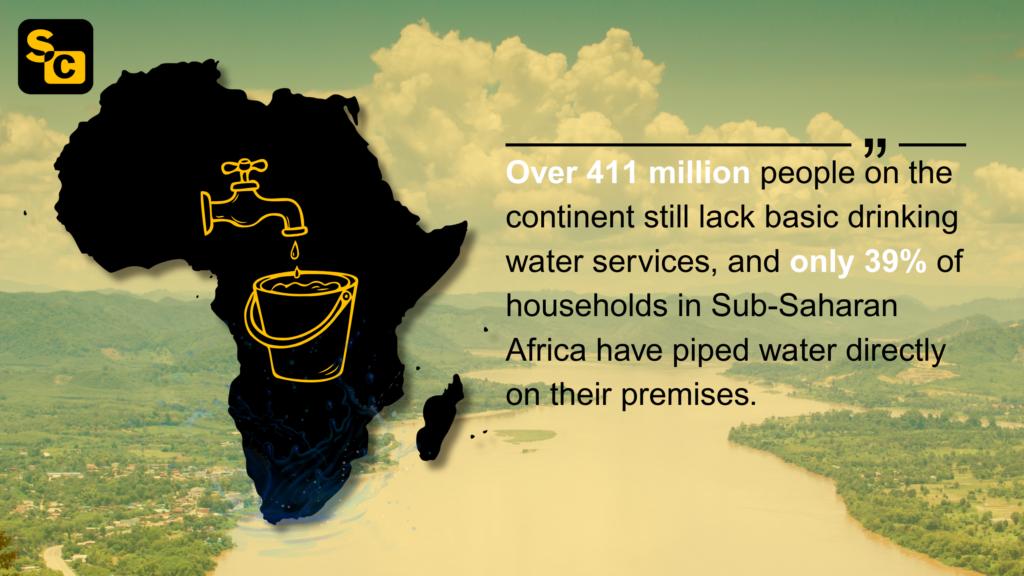
This urgency is reflected in Sustainable Development Goal 6, which calls for ensuring clean water and sanitation for all. Access to water shapes health outcomes, educational access, economic participation, and long-term resilience. Across Africa, progress continues, though access remains uneven. Over 411 million people on the continent still lack basic drinking water services, and only 39 per cent of households in Sub-Saharan Africa have piped water directly on their premises. For many communities, access to water remains uncertain, shaped by distance, infrastructure, and availability.
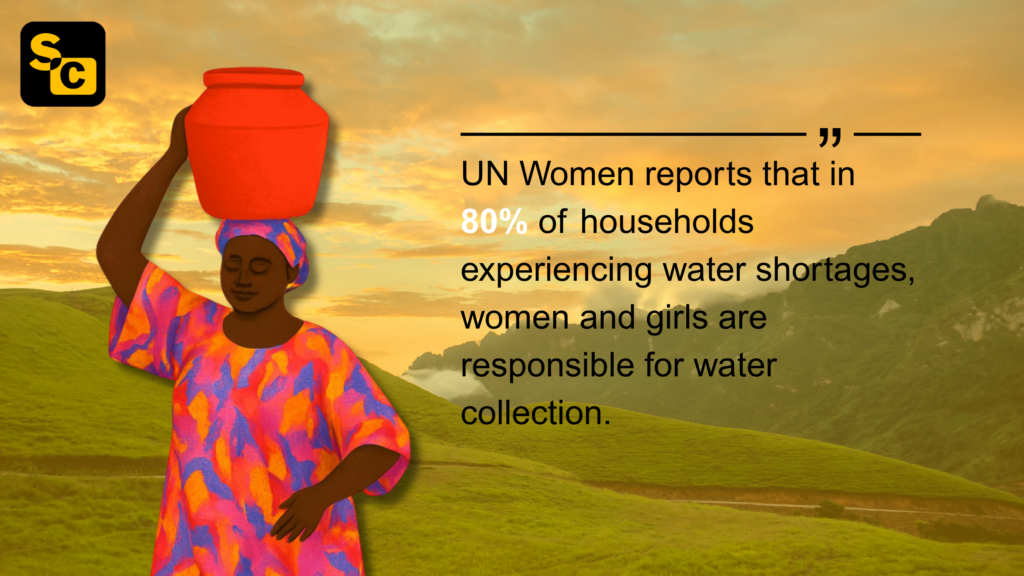
Water scarcity also reveals deeper structural inequalities. UN Women reports that in 80 per cent of households experiencing water shortages, women and girls are responsible for water collection. Time spent securing water often replaces time that could be spent in school, at work, or pursuing leadership opportunities. Access to water influences not only survival, but also opportunity, equity, and participation.
At the same time, water is increasingly connected to systems that feel far removed from rivers, lakes, and wells. Artificial intelligence, cloud computing, and digital platforms operate through large data centres that require constant cooling to function efficiently. These cooling systems frequently rely on water to regulate temperature and sustain performance. Research has shown that modern AI infrastructure relies on water-based cooling to power the systems that run the digital tools used daily around the world. Individual interactions may appear small, yet multiplied across millions of users, the demand becomes significant. Digital growth, often perceived as invisible, remains deeply connected to physical resources.
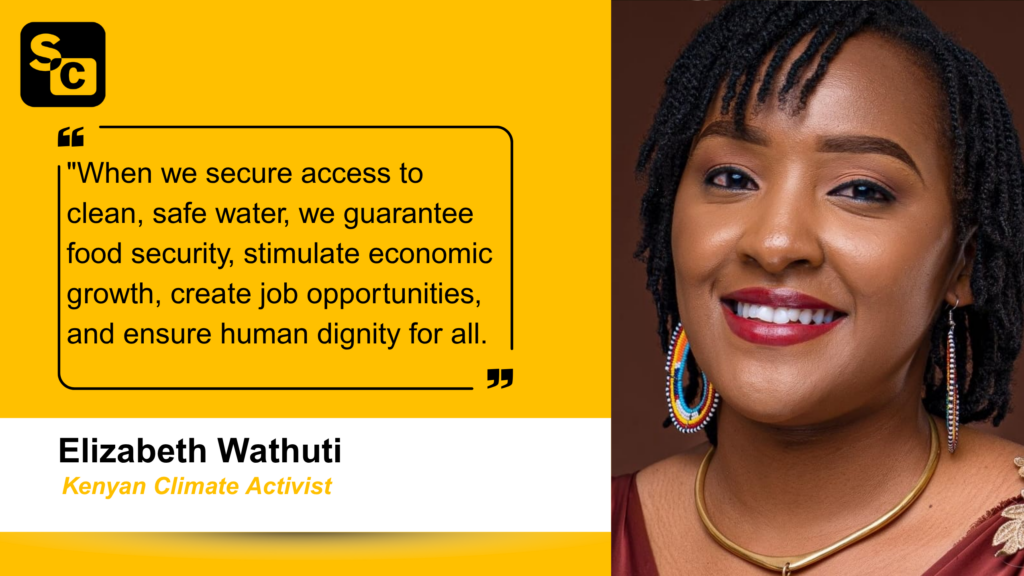
This reality reminds us that how we use technology matters. Thoughtful use of AI reduces computational demand, which in turn reduces the energy and water required to sustain digital systems. Writing clear and complete prompts, reviewing responses carefully before regeneration, and combining related requests into a single meaningful interaction all contribute to more efficient use. Drafting ideas first and using AI to refine them, rather than prompting repeatedly without direction, also reduces unnecessary strain. These habits may seem small, yet at scale they influence the environmental footprint behind the digital tools we rely on every day.
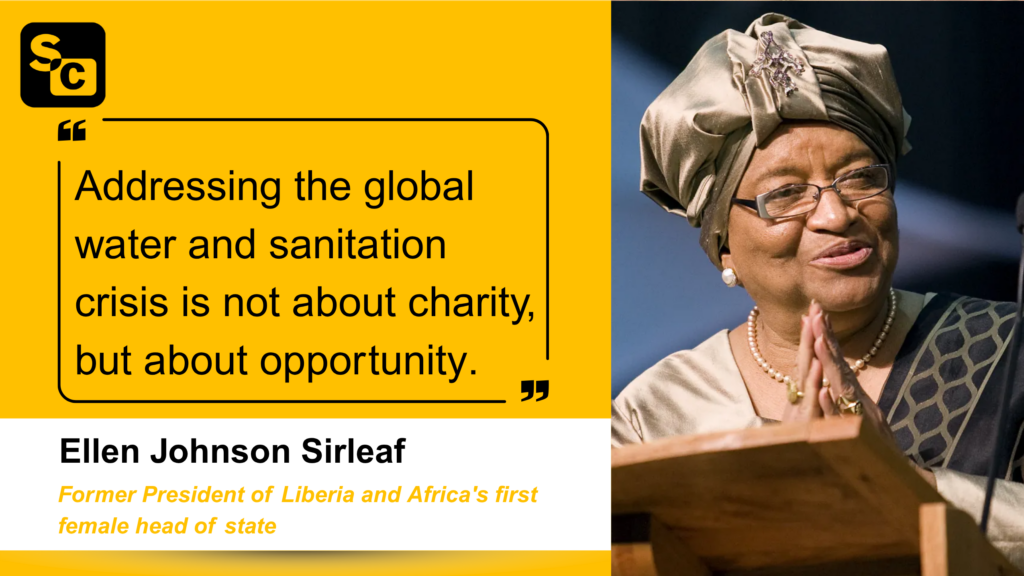
Technology continues to expand access across Africa. It strengthens communication, supports education, and creates platforms where African voices and stories can reach global audiences. It enables innovation, economic participation, and new pathways for growth. This reinforces a simple and essential truth: every system, no matter how advanced, still depends on water.
Water has always sustained communities. Today, it also sustains the infrastructure shaping the future. Protecting water means protecting people, protecting opportunity, and protecting progress itself. On this World Water Day, the reminder is clear: water is not infinite; it is essential. Protecting it is not only an environmental responsibility, but a collective one.
0 Comments