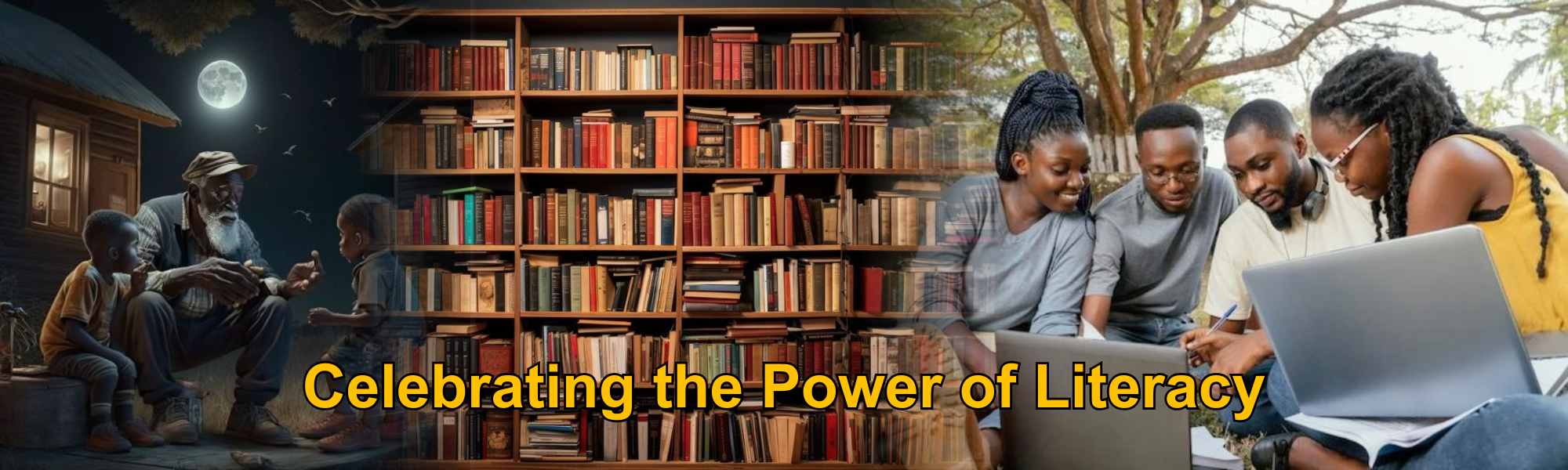
From oral traditions and libraries to digital platforms and online learning, literacy continues to shape how knowledge is preserved, shared, and passed on across generations.
Before the internet, before print, before screens, there was the human voice passing knowledge from one person to the next. Stories, traditions, and lessons travelled through conversations, songs, and memory. Literacy changed that. It gave knowledge somewhere permanent to live.
The ability to record, preserve, and share knowledge transformed how people learn, communicate, and participate in society. Ideas could travel beyond communities and across generations. Knowledge could be revisited, challenged, expanded, and passed on. Literacy became one of humanity’s most powerful tools for connection and progress.
Today, literacy remains about far more than reading and writing. It is about access to information, participation in society, informed decision-making, and the ability to communicate ideas effectively. It opens doors to education, employment, civic engagement, and lifelong learning.
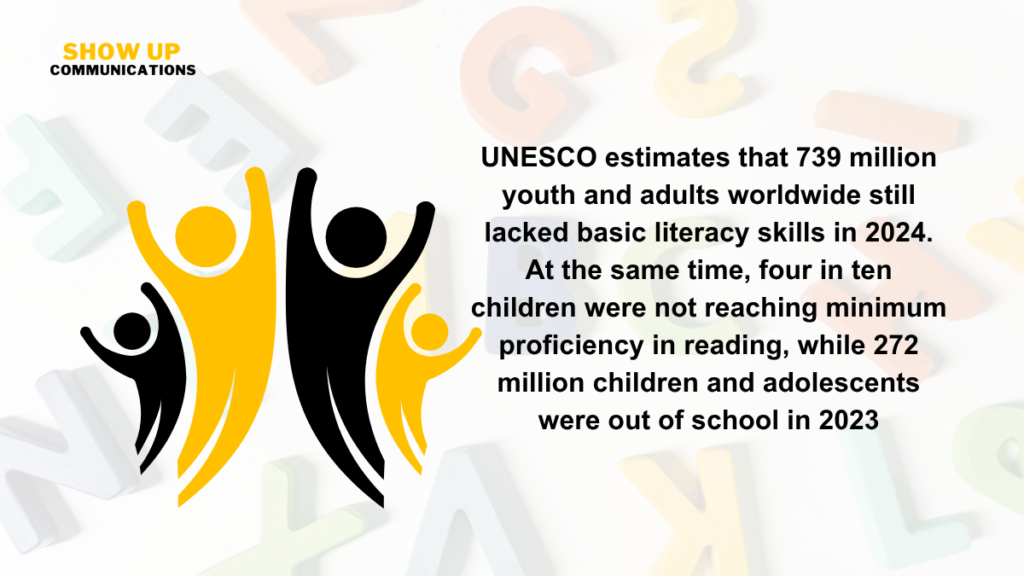
The progress made over the years is worth celebrating. Significant challenges, however, remain. UNESCO estimates that 739 million youth and adults worldwide still lacked basic literacy skills in 2024. At the same time, four in ten children were not reaching minimum proficiency in reading, while 272 million children and adolescents were out of school in 2023.
These figures highlight why Sustainable Development Goal 4 (SDG 4), which seeks to ensure inclusive and equitable quality education and promote lifelong learning opportunities for all, remains as relevant as ever. Literacy is not simply an educational outcome; it is a foundation for opportunity, empowerment, and participation.
One of the ways societies have sustained and shared that opportunity over time is through institutions dedicated to preserving and expanding access to knowledge. Throughout history, libraries have played a quiet but significant role in advancing literacy. Often overlooked, they have served as places where knowledge is preserved, shared, and made accessible to communities. Long before digital platforms placed information at people’s fingertips, libraries provided opportunities to learn, discover, and connect with ideas from different places and generations.
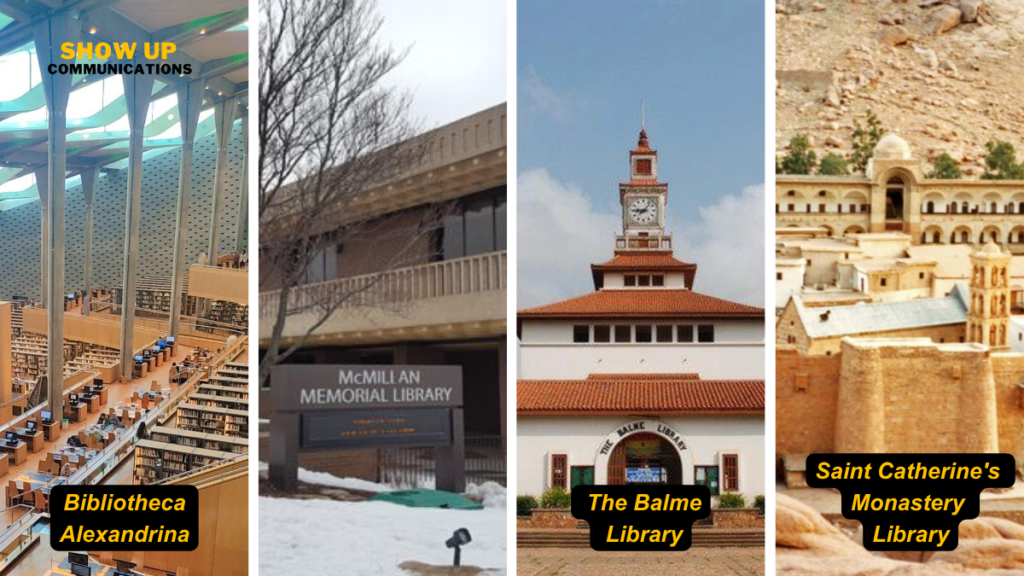
Institutions such as the Bibliotheca Alexandrina in Egypt, the McMillan Memorial Library in Kenya, the Balme Library in Ghana, and the Saint Catherine’s Monastery Library in Egypt demonstrate the enduring role libraries play in preserving knowledge, supporting learning, and expanding access to information. While each serves a different community and purpose, they share a commitment to ensuring that knowledge remains accessible to current and future generations.
The role of libraries has evolved alongside literacy itself. Access to knowledge is no longer limited to physical bookshelves. Digital archives, e-books, online learning platforms, and open educational resources have transformed how people discover and engage with information. A student can access learning materials from a mobile phone, a researcher can explore archives online, and a reader can discover books from around the world without leaving home.
The purpose, however, remains remarkably consistent. Literacy continues to connect people with knowledge, ideas, and opportunities. Whether through a printed book, a community library, a digital platform, or an online course, literacy enables individuals to engage with the world around them and contribute their own perspectives.
As we mark International Literacy Day, we celebrate more than the ability to read and write. We celebrate humanity’s ability to learn, share, and build on the knowledge that came before us.
SDG 4 reminds us that literacy, education, and lifelong learning remain central to building more inclusive, informed, and empowered societies. While significant challenges remain, continued progress brings the goal of quality education for all closer within reach. Literacy gave knowledge a home. Ensuring that home remains open to everyone may be one of the most important investments we make in the future.
0 Comments