
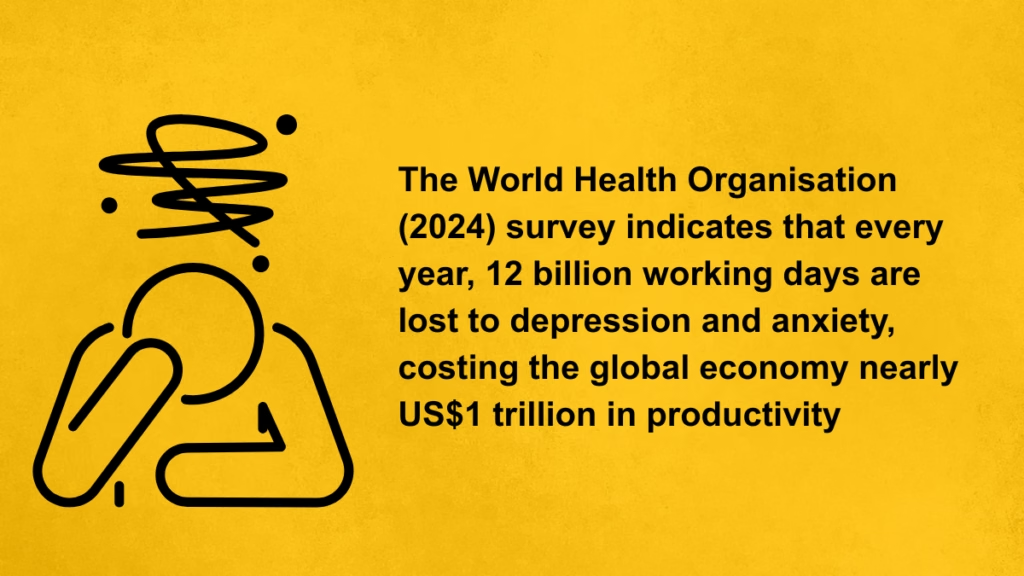
One in every eight people globally, approximately one billion people, is living with a mental health condition. The World Health Organisation (2024) survey indicates that every year, 12 billion working days are lost to depression and anxiety, costing the global economy nearly US$1 trillion in productivity. In boardrooms across Africa, conversations remain dominated by digital transformation, artificial intelligence, and economic growth, while the wellbeing of the very people driving that growth is too often left off the agenda. The question is no longer whether mental health affects business. The question is whether businesses can afford to ignore it.
Africa is rapidly adopting artificial intelligence, but the future of work must remain fundamentally human. While AI can improve productivity, automate tasks, and create new opportunities, it cannot replace empathy, psychological safety, or human connection. The World Economic Forum (2025) reports that AI and automation will transform millions of jobs this decade, making resilience, adaptability, and mental wellbeing as essential as digital skills. Through our #AfricaAndAI campaign, we emphasise that Africa’s competitive advantage will depend not only on technology, but on building workplaces where innovation is driven by healthy, supported, and emotionally resilient people.
Africa is at a pivotal moment. The Mastercard Foundation (2026) reports that the continent is home to over 1.5 billion people, with nearly 70% under the age of 30, making it the world’s youngest workforce and one of the fastest-growing labour markets. Meanwhile, the WHO (2025) notes that nearly 150 million people in the African Region live with mental health conditions, a number expected to rise with population growth, urbanisation, and increasing economic pressures. Each employment statistic represents individuals managing deadlines alongside anxiety, financial uncertainty, burnout, or emotional exhaustion. Research from tandfonline (2026) shows that organisations with poor workplace wellbeing face higher absenteeism, increased staff turnover, and reduced productivity.
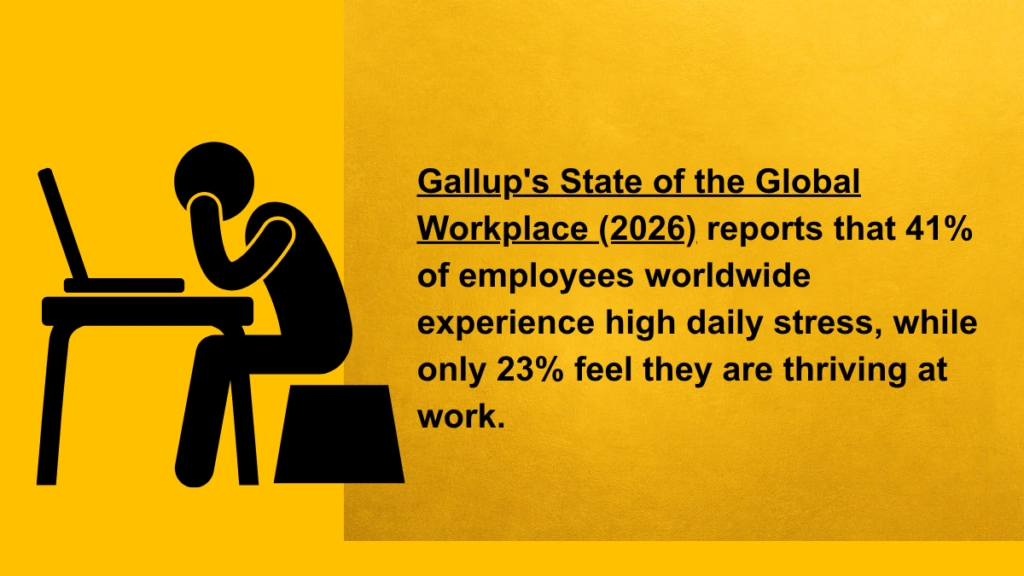
The workplace is now a major factor in mental wellbeing. Gallup’s State of the Global Workplace (2026) reports that 41% of employees worldwide experience high daily stress, while only 23% feel they are thriving at work. In many African economies, employees face rising living costs, job insecurity, long commutes, digital fatigue, and increasing performance demands. This leads to a workforce that is often physically present but emotionally depleted, resulting in lower productivity, reduced innovation, and greater disengagement. Leaders should invest in psychologically safe workplaces, train managers to recognise early warning signs, strengthen employee assistance programmes, promote flexible work practices, and foster cultures where seeking support is seen as leadership.
Stigma further complicates Africa’s mental health challenge. In many communities, mental health is misunderstood or seldom discussed. Organisations can no longer depend solely on annual wellness campaigns. The business case is clear. Deloitte (2023) finds that organisations prioritising employee wellbeing see stronger engagement, better retention, and healthier cultures. In Africa’s evolving economy, tomorrow’s leading companies will be those that recognise people as their greatest asset. Talent cannot thrive where wellbeing is neglected.
This World Mental Health Day, Africa has an opportunity to redefine strong leadership. While the continent has traditionally measured success by economic growth, innovation, and infrastructure, it is time to include the wellbeing of the people driving that progress. The strongest organisations are not those with the tallest buildings or highest revenues, but those that recognise every strategy, innovation, and sustainable business begins with a healthy mind.
0 Comments