
In a world where billions of people speak over 7,000 languages, translation is the quiet thread that connects us all. It helps ideas spread, clarifies policies, and allows cultures to share across borders. On International Translation Day, we take a moment to appreciate the translators, interpreters, and communicators who work hard to bring people together. Their efforts often go unnoticed, but they shape how we connect, do business, and learn from one another.
According to UNESCO, at least 40% of the world’s 7,000 spoken languages are endangered. About one language disappears every two weeks. This means that our traditions, values, knowledge, and identity are slowly fading. UNESCO also points out that while thousands of languages exist, fewer than 250 have a strong digital presence. This leaves many communities vulnerable to exclusion from the global conversation in today’s digital world.
This year’s theme, “A World without Barriers,” shows how important language experts are in bringing people closer. They ensure that communication extends beyond mere words, promoting access, inclusion, and fairness.
The Power of Language Diversity
Africa has many languages, each with its own history, identity, and cultural knowledge. Language is more than just speaking; it reflects who we are and where we come from. Translation takes these differences and creates strength, enabling stories, studies, and traditions to reach a broader audience. This makes the world a fairer place and helps individuals learn about different cultures. Without translation, much of local life would stay within small groups. Every translated story isn’t just words on a page; it’s a connection that brings people together across time and space.
How Translation Brings Traditions to Light
Translation helps keep our cultural stories alive and makes them more accessible to a wider audience. Think of the old tales shared by grandparents around a fire, or the sayings that teach values like respect, family, and strength. Through translation, these stories can now reach children and people far from their original locations.
What was once passed down in memory and spoken in one language is now written down, published, and shared widely across multiple languages. This shift makes cultural heritage a valuable resource for learning, studying, and connecting with others. Translation helps keep the wisdom of older generations alive, shaping who we are and improving our understanding of one another.
Spotlight on Murutani Aguu
This International Translation Day, we shine a spotlight on Augusta Gichane, better known as Múrutani (Teacher) Aguu, a Kikuyu translator dedicated to preserving indigenous knowledge. Aguu believes that translation goes beyond words; it is about preserving memory and keeping traditions alive. Translation is important to her because wisdom, values, and knowledge should be shared with more people and future generations.
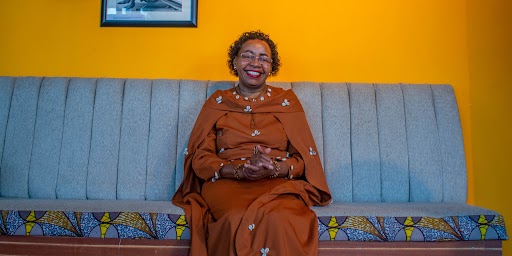
Augusta Gichane, Exposia Learning Centre
“Translation is very important, because whatever has been written by the individual should not just be enjoyed by a few people; the values, the wisdom, the intellect, the knowledge, should be enjoyed, and it should reach more people than just the target, the ones that are targeted. So it is of great value in terms of reaching a wider readership than just a smaller group.”
Through her work, Aguu has helped uncover aspects of Kikuyu heritage that many, both within and outside the community, may not have been aware of. Her story shows that translation is not only about meaning and language; it is also about preserving identity and ensuring culture remains vibrant.
A World Without Barriers
International Translation Day reminds us that our language differences offer chances to learn and broaden our views, not obstacles. Every translated word is a step toward peace, understanding, and unity. By celebrating translators and interpreters, we celebrate the possibility of a world truly without barriers.
0 Comments