

A simple mobile phone in a remote village can now connect a farmer to weather forecasts, a student to online classrooms, and a small business owner to customers thousands of kilometres away. In today’s world, communication is no longer just about conversations; it is about opportunity, survival, innovation, and inclusion. Every year on 17th May, World Telecommunication and Information Society Day reminds the world that digital access has become one of the strongest drivers of modern development.
Across Africa, technology is quietly rewriting old narratives. For decades, many communities have faced barriers due to distance, poor infrastructure, and limited access to services. Today, digital innovation is steadily closing those gaps. According to the International Telecommunication Union (ITU) Facts and Figures Report 2023, mobile connectivity has become one of the fastest-growing tools for economic participation across developing regions, especially in Africa. Mobile money services such as Kenya’s globally recognised M-Pesa transformed ordinary phones into financial lifelines, allowing millions to send, save, and receive money without traditional banking systems.
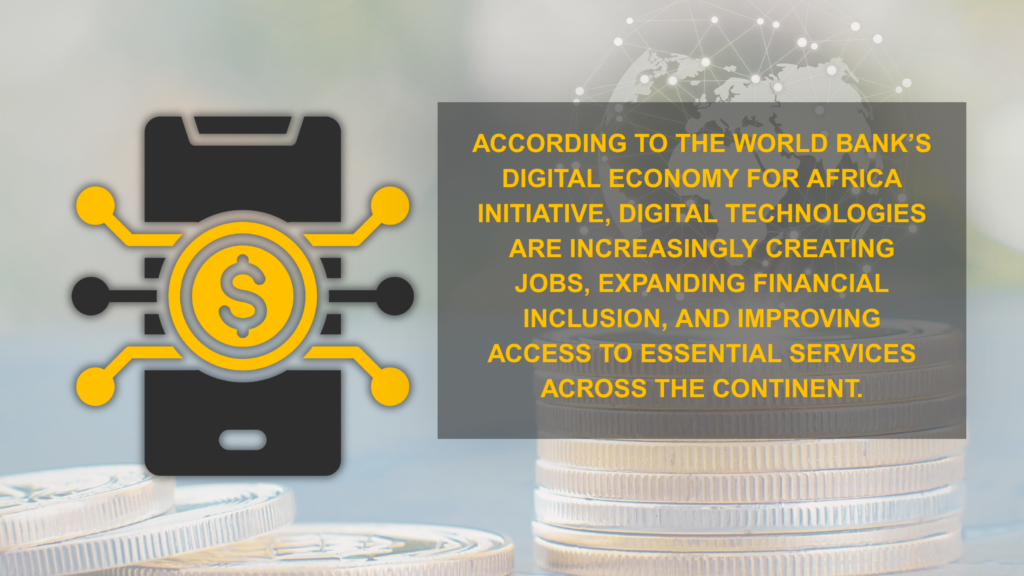
Africa’s digital rise is not only happening in large cities or government institutions; it is happening in local communities driven by necessity and creativity. Farmers now use mobile applications to predict rainfall patterns and market prices. Young entrepreneurs are building online businesses from smartphones. Health workers are using telemedicine to reach patients in underserved regions. According to the World Bank’s Digital Economy for Africa Initiative, digital technologies are increasingly creating jobs, expanding financial inclusion, and improving access to essential services across the continent.
At the centre of this transformation is Africa’s youthful population. The continent’s young people are not waiting for opportunities to arrive; they are creating them. Across social media platforms and digital spaces, African youth are becoming storytellers, innovators, programmers, and global influencers. Startups in countries such as Nigeria, Rwanda, Kenya, and South Africa are developing solutions in artificial intelligence, renewable energy, fintech, and e-commerce. These innovations are proving that Africa’s technological future is being shaped not only by global trends but also by local realities and homegrown solutions.
The rapid expansion of digital communication has also transformed civic engagement and public awareness across Africa. Social media platforms are increasingly being used to amplify community voices, mobilise humanitarian support, and advocate for social change. During times of crisis, digital communication has allowed communities to share real-time information, organise relief efforts, and raise awareness about issues affecting vulnerable populations. Content creators, journalists, and young activists are now using online platforms to shape conversations around governance, climate action, education, and social justice, creating a new generation of digitally empowered citizens.
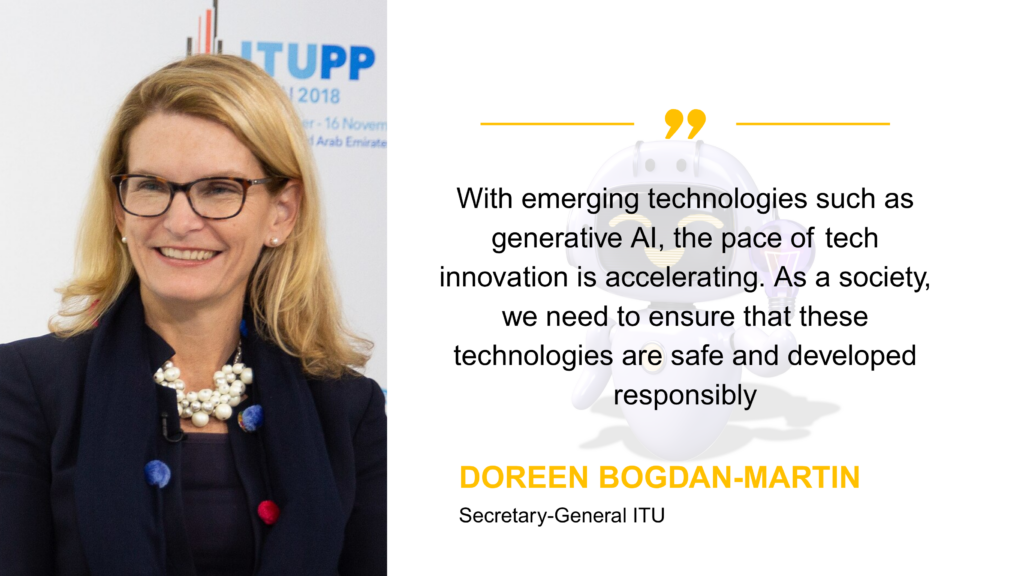
Secretary-General ITU, Doreen Bogdan-Martin, during the World Telecommunication and Information Society Day 2023, said, “With emerging technologies such as generative AI, the pace of tech innovation is accelerating. As a society, we need to ensure that these technologies are safe and developed responsibly.” He also added that, “We also need to bring the benefits of these technologies to everyone, everywhere, looking to the digital future with confidence in who we are and what we can do together, to bend the arc of tech history towards inclusion.”
Yet behind this progress lies a difficult reality. Millions of people across Africa still remain digitally excluded. In rural communities, internet access remains expensive or unreliable, electricity shortages persist, and many schools still lack digital learning resources. The United Nations estimates that nearly one-third of the world’s population remains offline, particularly in developing countries. Women and girls continue to face disproportionate barriers in accessing digital technologies, limiting opportunities for education, employment, and participation in the digital economy.
United Nations Secretary-General António Guterres has consistently stressed that technology must serve as “a bridge, not a barrier.” His words capture one of the defining challenges of this generation: ensuring that digital progress does not leave vulnerable communities behind. As artificial intelligence, automation, and online systems continue to expand globally, conversations around digital rights, cybersecurity, misinformation, and equitable access are becoming increasingly urgent.
World Telecommunication and Information Society Day is therefore more than a celebration of technological advancement. It is a reminder that connectivity can change lives, strengthen communities, and open doors that once seemed unreachable. Across Africa, stories of resilience, innovation, and adaptation continue to emerge from classrooms, marketplaces, farms, and startups. These stories reveal a continent not only catching up with the digital world but also actively shaping its future.
0 Comments