
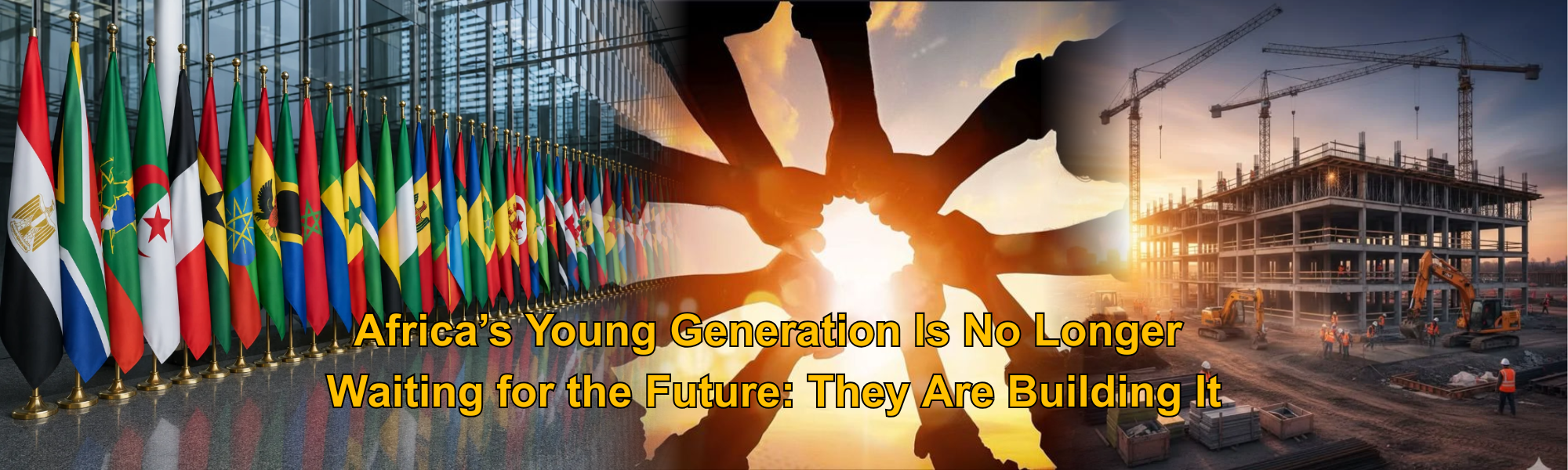
Change in Africa comes from classrooms, music studios, community projects, and startups led by young people. The young generation, obsessed with making a difference, is now defined by innovation, creativity, activism, and resilience. In technology, climate action, entrepreneurship, and digital storytelling, Africa’s youth are building a new continental narrative.
 In cities and rural communities alike, young Africans are solving problems often ignored by larger systems. In Kenya, youth-led agritech innovations help farmers with weather prediction and food security. In Nigeria, young entrepreneurs are transforming financial access through fintech platforms that reach underserved populations. UNESCO Director – General Audrey Azoulay, in her Message on the International Youth Day 2025, said, “It will be up to you, young people, to bring about a new state of mind, oriented towards complementarity and solidarity; this will be the condition for peace, without which there can be no development.”
Across Ghana, Rwanda, and South Africa, creators use film, fashion, music, and digital media to tell African stories from African perspectives, challenging stereotypes that have shaped global perceptions for decades. These are not isolated successes; they are part of a wider movement driven by determination and necessity.
 Africa’s youthful population is one of its defining forces. According to the United Nations Department of Economic and Social Affairs (UN DESA), by 2050, one in four people globally will be African, the majority under 25. This demographic shift is transforming economies, political conversations, and digital spaces. Young people are not just preparing for leadership; they are already influencing governance, creating jobs, and shaping public discourse. UN-Habitat Executive Director Anna Claudia Rossbach emphasised, “Not symbolic consultation, but real influence; not just consultation, but collaboration.”
 Technology has accelerated change across the continent. Internet access and digital tools have created opportunities that previous generations could hardly imagine. According to the International Telecommunication Union (ITU), internet use among African youth is rising, opening doors to online education, entrepreneurship, and global collaboration. Social media is now a platform for advocacy, innovation, and empowerment. Young Africans launch businesses, build online communities, teach digital skills, and amplify social issues. Grace Njenga, representing the UNESCO Youth Forum Kenya, said, “Your creativity, courage and innovative ideas are not just personal strengths; they are valuable tools for collective transformation.”
The rise of youth-led climate action is another reflection of this growing influence. Across Mozambique, Uganda, Kenya, and Senegal, young environmental activists are organising clean-up drives, promoting renewable energy solutions, and raising awareness about the realities of climate change in vulnerable communities. Many are transforming waste into business opportunities while educating local communities on sustainability. These grassroots initiatives show how African youth are responding to global challenges with locally driven, community-based solutions. The United Nations Environment Programme (UNEP) continues to emphasise that youth participation remains critical in achieving long-term environmental sustainability goals.
 During a previous International Youth Day commemoration, United Nations Secretary-General António Guterres stated, “Young people are leading movements for justice, equality, and sustainability around the world.” His words strongly reflect what is unfolding across Africa today. Whether through digital activism, entrepreneurship, education initiatives, or creative industries, young Africans are increasingly becoming central voices in conversations shaping the continent’s future.
Yet behind these inspiring stories lies another reality. Millions of young people across Africa continue to face unemployment, unequal access to quality education, limited digital infrastructure, and economic instability. According to the African Development Bank, nearly 12 million young Africans enter the labour market every year, while employment opportunities remain insufficient. In many communities, poverty, conflict, and climate-related crises continue to disrupt education and limit opportunity. However, rather than allowing these challenges to define them, many young Africans are responding with remarkable adaptability and innovation.
Across Africa, stories emerge of students teaching themselves coding through free online platforms, youth groups creating community libraries, and young women entering science and technology fields despite systemic barriers. Others are using podcasts, photography, and social media campaigns to raise awareness about mental health, gender equality, and civic participation. These efforts demonstrate how this generation identifies challenges and actively implements solutions, confirming that Africa’s future is being built by its youth today.
African leaders and development organisations increasingly recognise the need to invest in youth. Past African Union engagements have stressed that Africa’s progress depends on expanding access to education, financing, and mentorship, as well as on youth participation in decision-making. Supporting youth is no longer just charity; it’s seen as an economic, social, and political necessity.
Mental health is gaining visibility among African youth, breaking cultural stigmas. In universities, online communities, and youth groups, safe spaces are open to discussing anxiety, burnout, job pressures, and identity struggles. Digital campaigns, podcasts, and peer-support platforms now normalise these conversations and encourage healthier resilience and support.
0 Comments
Trackbacks/Pingbacks