
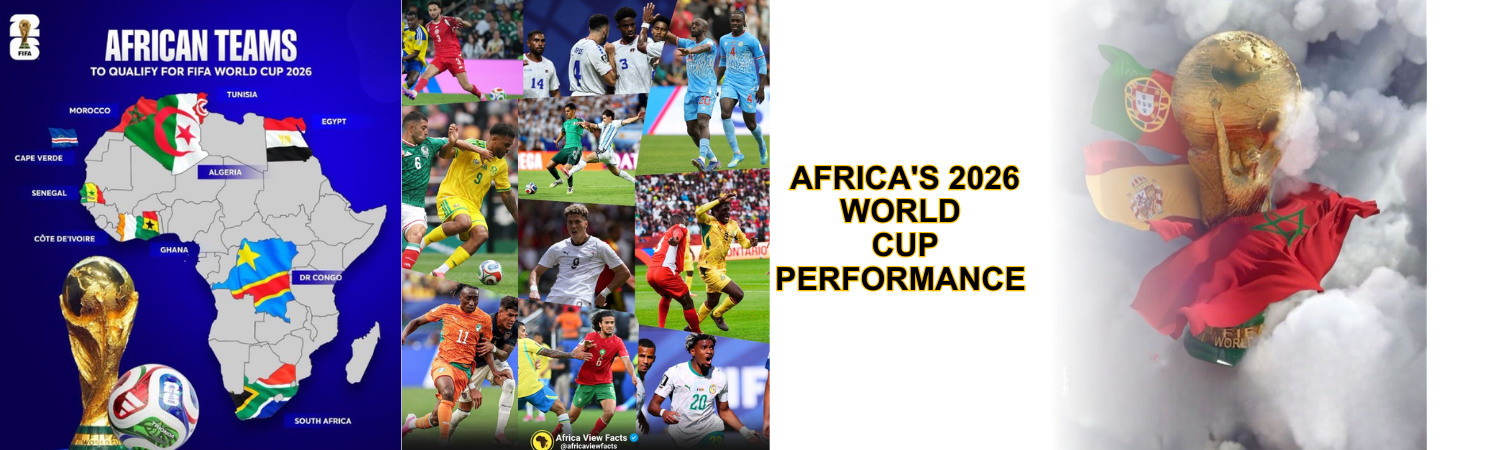
When the final whistle blew on Morocco’s quarter-final exit, Africa’s dream of lifting the FIFA World Cup trophy was once again postponed. But across stadiums in the United States, Canada and Mexico, something extraordinary had already taken place. The continent did not leave with the trophy, but it left with respect. 10 African nations arrived at the expanded 2026 FIFA World Cup and 9 marched to the knockout stages, the largest African representation in the tournament’s history, and together they demonstrated that the gap between Africa and football’s traditional giants has never been smaller. The scoreboards may tell one story, but the performances revealed another. Results alone rarely tell the full story, and this tournament demonstrated just how far African football has travelled.
The numbers are significant. With FIFA expanding the tournament to 48 teams, Africa was represented by a record nine nations: South Africa, Morocco, Egypt, Ghana, Senegal, Algeria, Ivory Coast, DR Congo and Cape Verde. Nine progressed beyond the group stage, the highest number of African teams to reach the knockout rounds at a single World Cup. For a continent that spent decades fighting for greater representation, it was tangible evidence that increased opportunity can translate into increased competitiveness. According to Diario, Africa has now produced four different quarter-finalists in FIFA World Cup history, Cameroon (1990), Senegal (2002), Ghana (2010) and Morocco (2022 and 2026).
Morocco once again emerged as Africa’s standard-bearer. Four years after becoming the first African nation to reach a World Cup semi-final in Qatar, the Atlas Lions returned with another disciplined campaign. A penalty shootout victory over the Netherlands in the Round of 32 was followed by an assured 3-0 win against Canada before France ended their run in the quarter-finals. Morocco came out of this World Cup with their heads held high after suffering their second consecutive elimination at the hands of France, a football powerhouse and the best-performing team in the Tournament over the last seven editions. According to an ESPN article, France has reached the World Cup Final four times in the past Seven Editions.
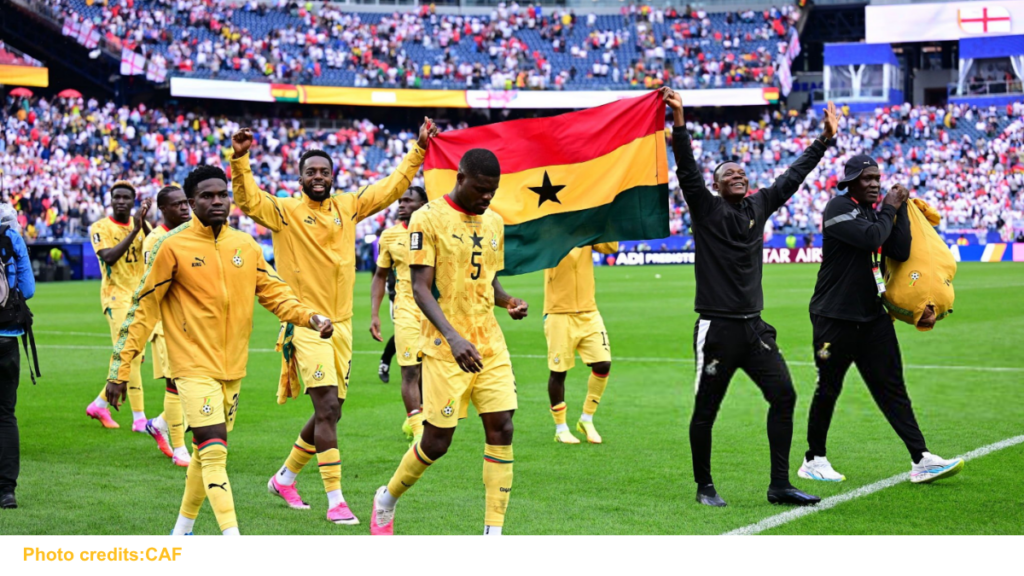
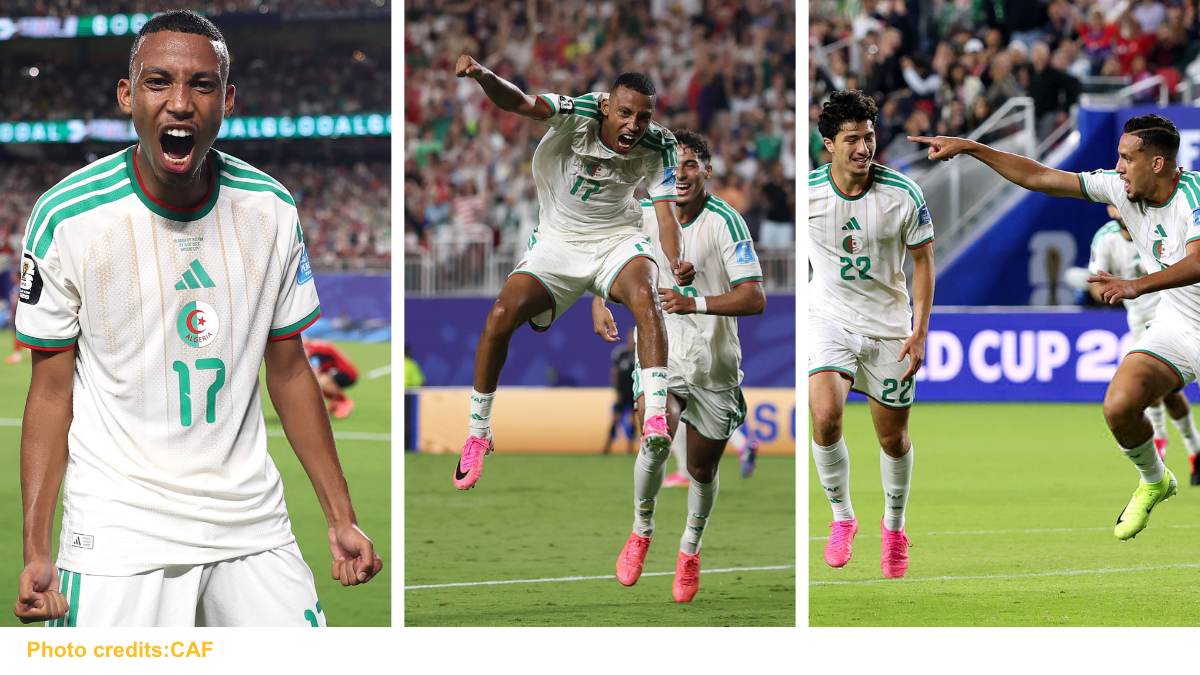
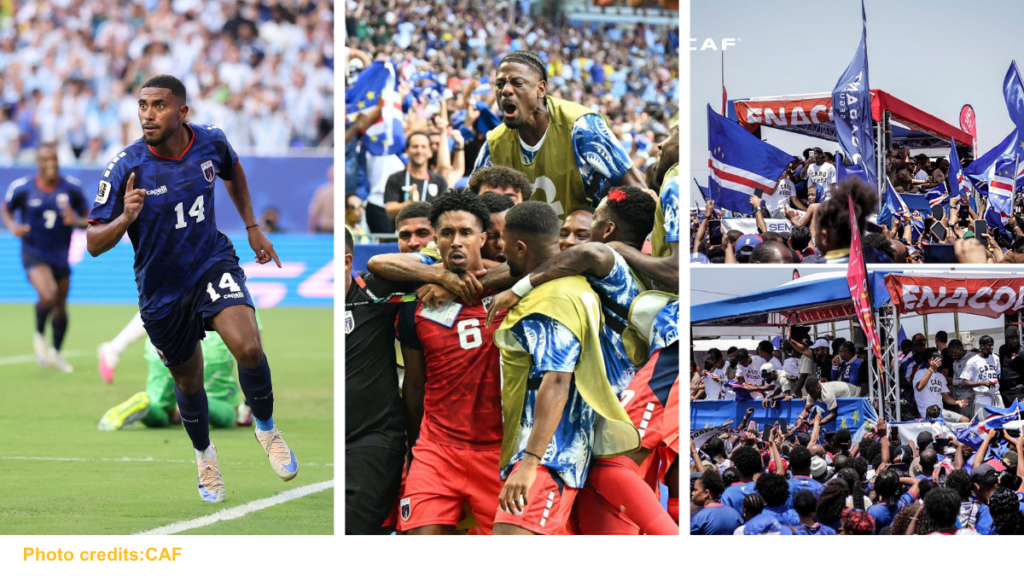
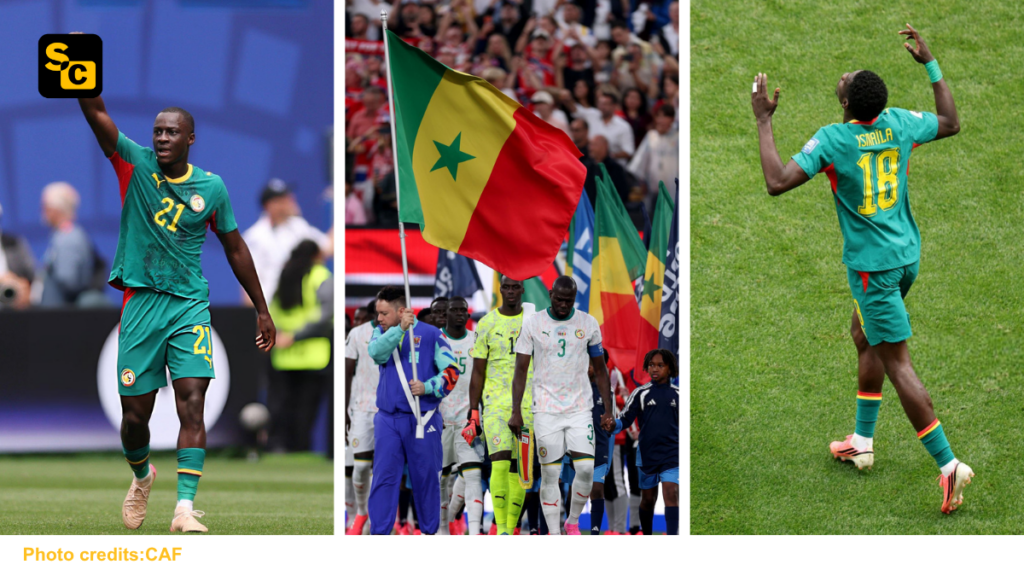
Elsewhere, African teams repeatedly showed they could compete with established football powers. Egypt were eliminated in a highly contested match against the Reigning Champions, Argentina. Ghana lost narrowly to Colombia after remaining competitive throughout. Cape Verde made one of the tournament’s most memorable debuts in the knockout stage, pushing Argentina until the closing stages before falling 3-2. Senegal, DR Congo, Algeria, South Africa, and Ivory Coast also produced performances that underlined a recurring theme throughout the competition: African teams are no longer being outplayed; they are often being edged out.
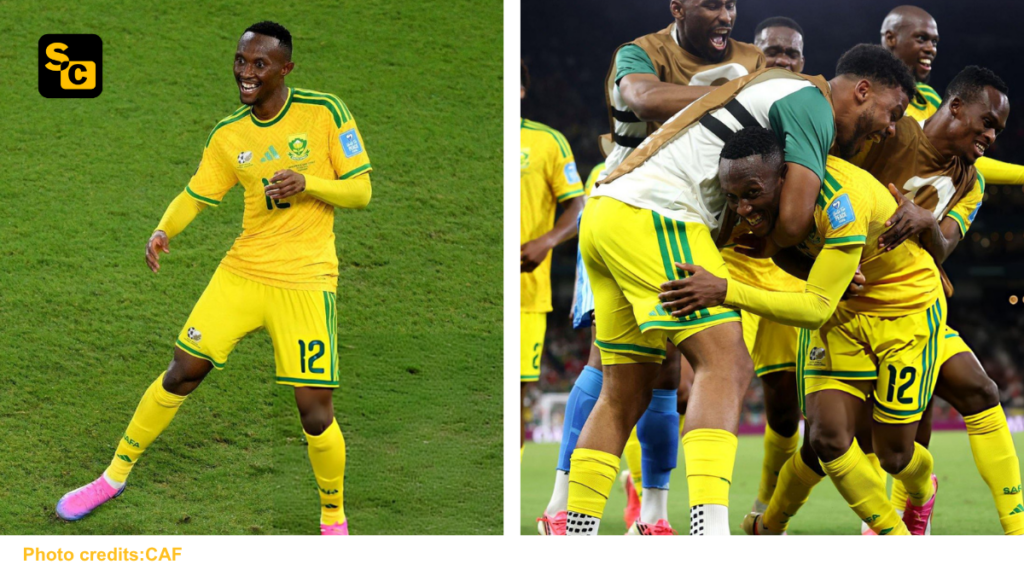
Throughout all knockout games against African teams, the margins were remarkably small. Most of Africa’s knockout defeats came by a single goal in the final minutes of the game, in extra time, or on penalties. The conversation is no longer centred on technical ability or physical competitiveness. African players feature prominently in Europe’s leading leagues, regularly compete in the UEFA Champions League and increasingly occupy key roles at the world’s biggest clubs. The challenge exposed by the 2026 World Cup, according to a Daily Nation article, is ensuring full concentration in the final minutes of the Game, managing decisive moments, maintaining focus in the closing stages, and converting strong performances into tournament victories.
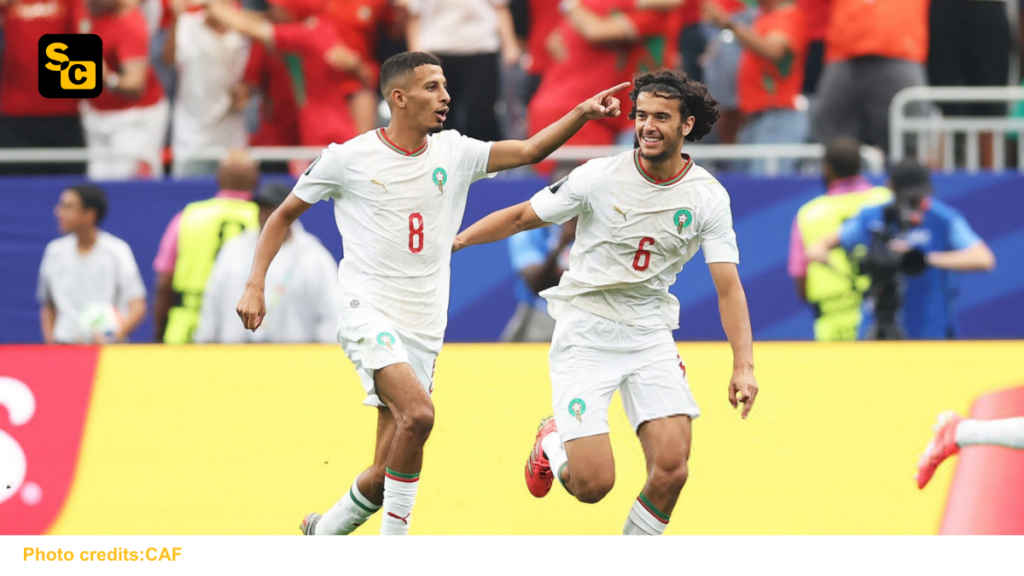
Those lessons may prove as valuable as the results themselves. Success at World Cups is rarely built in a single cycle. Europe’s established powers have developed winning cultures through decades of repeated exposure to the latter stages of major tournaments. Africa is beginning to build that same experience. Each knockout match, each penalty shootout and each narrow defeat contributes to a growing understanding of what it takes to succeed under the game’s greatest pressure.
Several African squads arrived with average ages below 27. According to a report by The University of Waikato, Côte d’Ivoire brought the youngest squad to the World Cup, with a median age of 25.4, with many African teams averaging below 27 years, meaning many of their key players are likely to remain central figures by the 2030 World Cup. Morocco’s academy model has already produced consistent results, while countries including Senegal, Egypt, Ivory Coast and Ghana continue to expand youth development programmes and strengthen domestic football structures. Emerging nations such as Cape Verde and DR Congo have also demonstrated that well-organised systems can narrow the gap with traditional football powers.
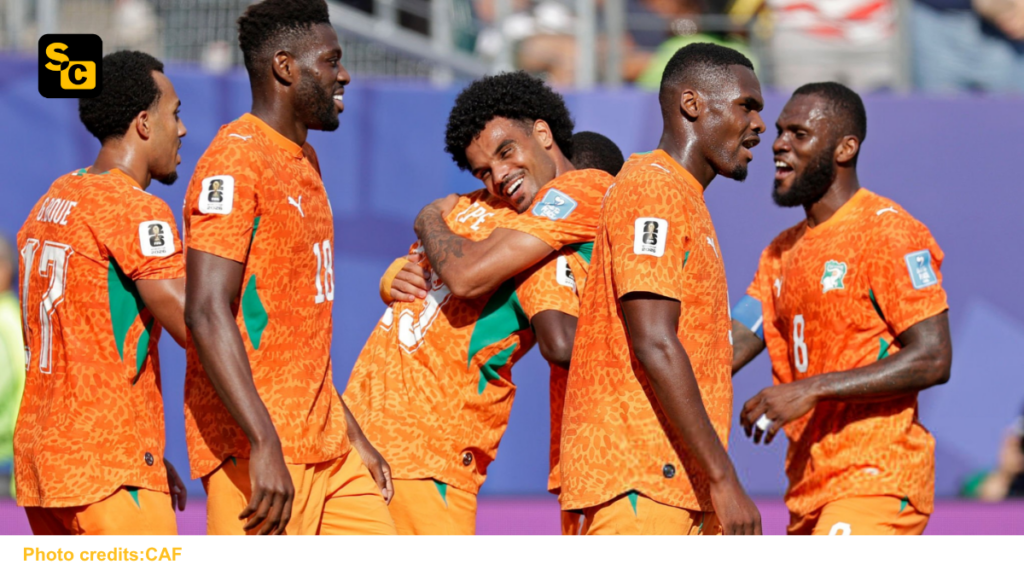
Perhaps the most important conclusion from the 2026 World Cup is that Africa’s expectations have changed. There was a time when reaching the knockout stages represented success. Today, quarter-finals are viewed as progress rather than achievement, and semi-finals are no longer considered unrealistic ambition. That shift reflects not only optimism but also evidence gathered over successive tournaments. The wait for a first African world champion continues, but after the evidence from the 2026 FIFA World Cup, it increasingly appears to be a question of when, not whether.
FIFA announced in 2024 that Morocco, Portugal and Spain will co-host the FIFA World Cup in 2030, marking the tournament’s return to Africa for the first time in two decades. As Morocco prepares to welcome the world, Africa now has an opportunity to build on the momentum of 2026, not just as gracious hosts, but as genuine contenders capable of making history on football’s biggest stage.
0 Comments